

Everything you need to know about kitesurfing in Brazil
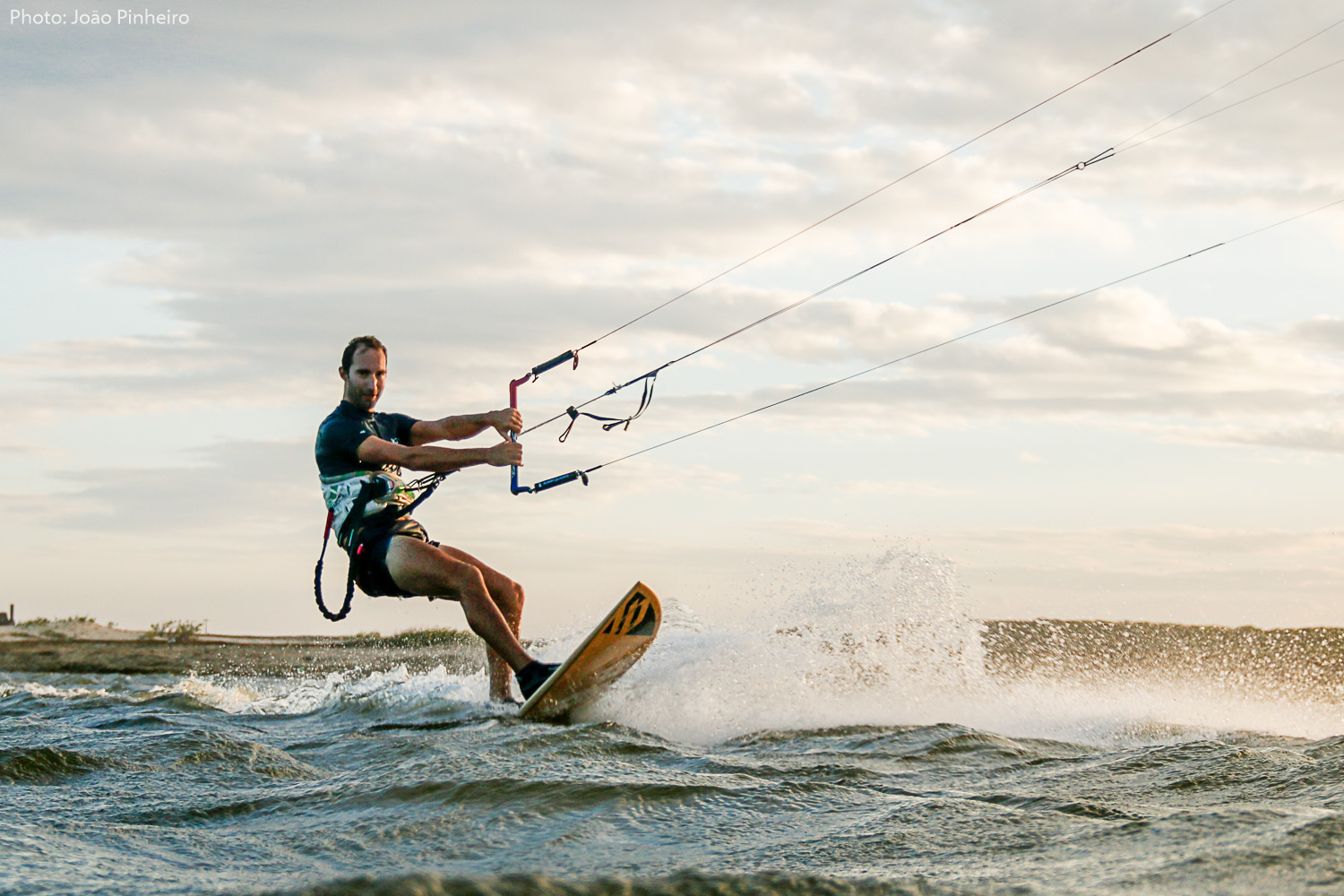
Accessible from around age 12, kitesurfing is a water sport with a relatively short learning curve, usually between 8 and 15 hours for most beginners. This accessibility makes it particularly appealing to travelers visiting parts of the world that offer ideal conditions for the sport, especially Northeast Brazil.
This page is mainly intended for travelers who would like to discover the sport, as well as those considering a kitesurfing course in Northeast Brazil. We invite you to explore the world of kitesurfing and learn more about this exciting activity. You will find useful information to help you take the plunge and enjoy an introductory kitesurfing course during your trip to Brazil.
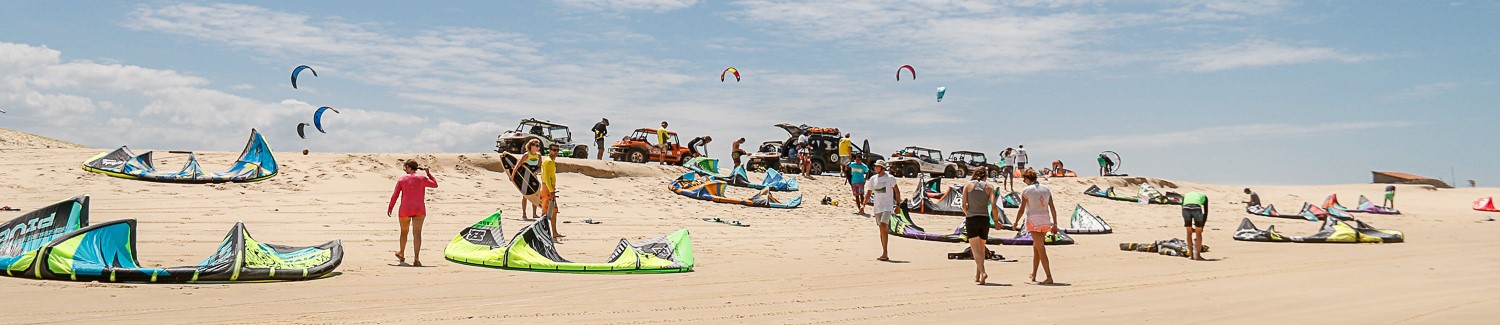
KITESURFING, A FRENCH STORY !
Kitesurfing is a relatively recent sport based on an inflatable kite invented in 1984 by two French brothers from Quimper, Dominique & Bruno Legaignoux. Its popularity, however, owes much to “Manu” Bertin, a windsurfing champion who began promoting the sport in 1995, the year he appeared flying a kite on the cover of an issue of the French magazine Voile et Voilier.
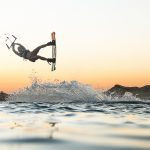
Also known as kiteboarding, the more widely used term “kitesurfing” comes from the word “kite,” referring to the sail that powers the rider. It is therefore not entirely surprising that in France the sport is affiliated not with a traditional water sports federation, as one might expect, but with the FFVL (French Free Flight Federation). One of the great attractions of kitesurfing is precisely its ability to combine the thrill of gliding across the water with the exhilaration of flying through the air in spectacular jumps, performing acrobatic tricks and enjoying plenty of adrenaline along the way!
In 2017, the federation had more than 15,000 licensed members, with an estimated 25,000 to 30,000 kitesurfers throughout French-speaking territories, which remain among the pioneers of the sport and home to one of the world’s largest kitesurfing communities.

KITESURFING EQUIPMENT: CONSTANT INNOVATION FOR EVER GREATER PERFORMANCE
Since kitesurfing emerged in the early 2000s, equipment has evolved considerably in terms of both safety and maneuverability, making the sport increasingly easy to learn and enjoy.
Good kitesurfing schools naturally rent equipment, which can be an excellent option for travelers who prefer to travel light. If you are sure you want to learn and continue practicing this exciting sport, another good option is to buy your own equipment. A twin-tip board, harness, kite and bar are all you need to get started. Learning to kite with a surfboard can come later. A budget of around 2,000 euros will cover the basics. Keep in mind that you will often need at least two kites, sometimes more, and that equipment tends to become outdated relatively quickly…
One final option for getting your gear is to buy it locally. The “kitesurfing craze” in Northeast Brazil has encouraged some manufacturers to consider setting up production facilities in the region. It has not happened yet, but although projects can sometimes take time to materialize here, things appear to be moving in the right direction. Definitely something to keep an eye on!
KITESURFING EQUIPMENT
The equipment required for kitesurfing consists of four basic components: the kite, the lines and bar connecting it to the harness, and finally the board. Here is a brief overview of each of them.
Vatapá is one of the signature dishes of Northeast Brazilian cuisine. It is a highly seasoned cassava flour preparation made with coconut milk, palm oil, cashew nuts and dried shrimp. The dish is then flavored with ingredients such as onion, cilantro and chili pepper and served with rice.
Another typical dish from the state of Bahia is acarajé. This fritter made from ground beans and fried in palm oil can be enjoyed on the streets of Salvador de Bahia.
A typical dish from Minas Gerais, tutu is a mixture of black beans and cassava flour flavored with bacon and served with pork, collard greens and rice.
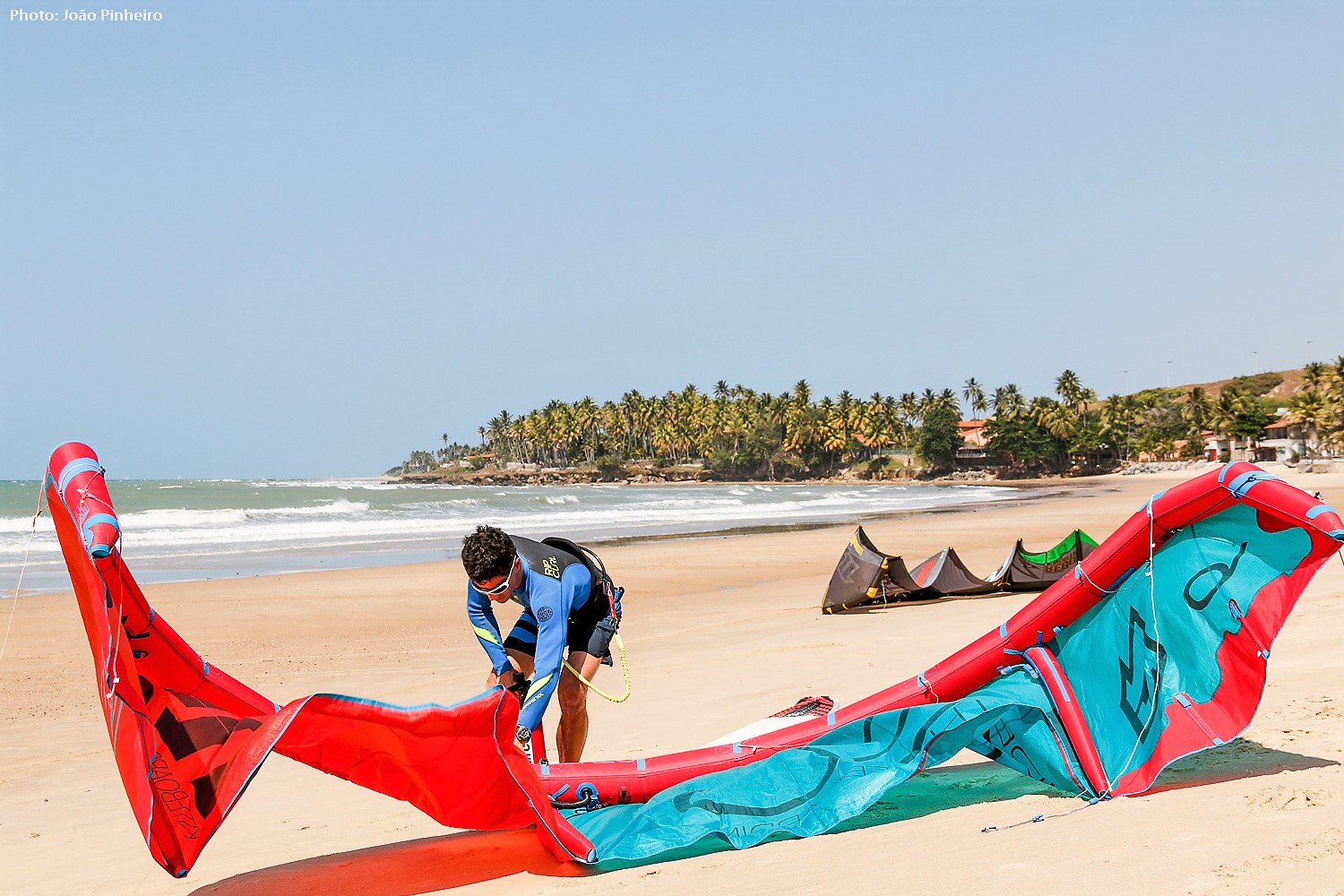
The kitesurfing kite
Somewhere between a traditional kite and the sails used for windsurfing and paragliding, the kitesurfing kite is the “engine” that provides the power needed to get out of the water and start moving.
The right kite is chosen according to four main factors: wind strength, the rider’s weight, skill level and intended riding style. Sizes range from 3 to 20 m². There are two main types of kitesurfing kites. The first are inflatable kites, featuring sections that are stiffened by inflation. These sections act as floats, allowing the kite to relaunch from the water while maintaining its arched profile, with or without additional structural support. The second type is known as a foil kite. It has a flexible profile similar to paragliders and traction kites. Although more commonly used for land-based activities, closed-cell foil kites are also available for use on the water.
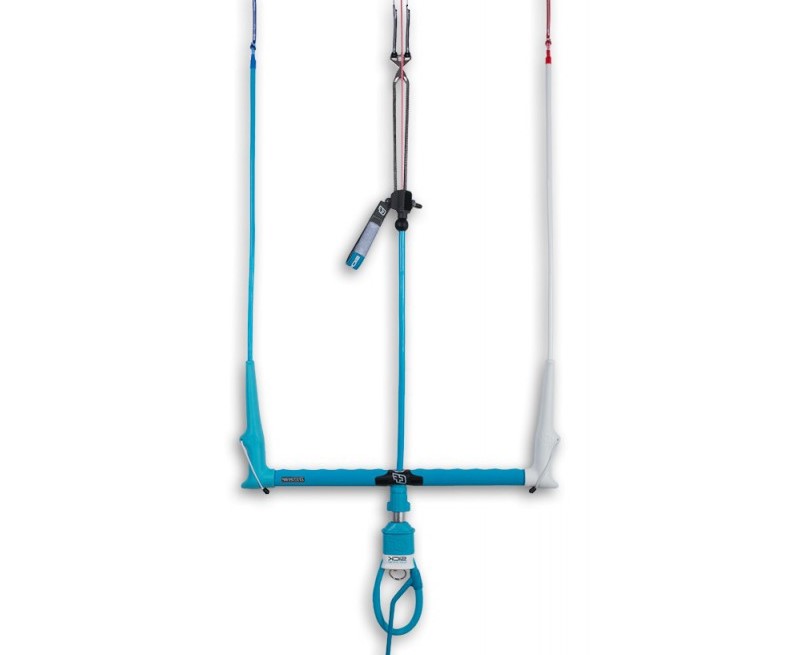
Kitesurfing lines & control bar
The lines are made from thin yet extremely strong synthetic fibers known as Dyneema.
There are generally four lines.
The two front lines transmit the kite’s pulling power, while the two rear lines are used for steering and controlling speed. Some kites also feature a fifth line to make aerial tricks easier. The front lines are connected to the center of the bar, while the rear lines are attached to its ends. The bar itself is connected to the harness by means of a hook, transferring the kite’s pulling force to the rider. A safety system first makes it possible to cancel the kite’s power and, if necessary, completely release the kite in the event of a problem.
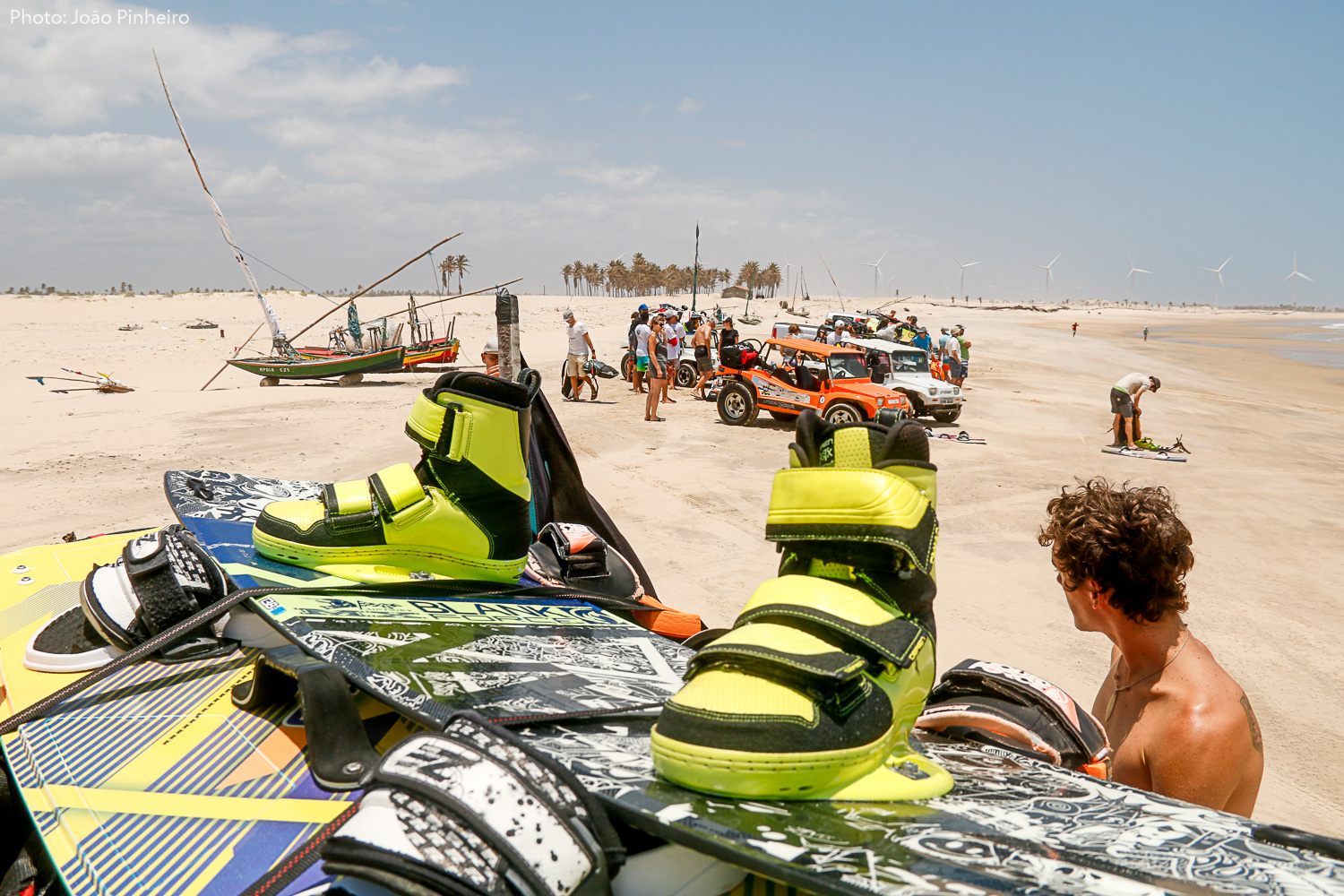
Kitesurfing boards fall into two main categories: directional boards and bidirectional boards, known as “twin tips.”
Twin-tip boards are easier to use and are by far the most common. Their symmetrical design allows riders to travel in either direction.
Directional boards are asymmetrical and often resemble surfboards. The main difficulty is that riders must change foot position depending on whether they are riding on port or starboard tack. They come in different sizes and shapes depending on their intended use, whether for speed, waves or long-distance riding. The newest development is the foil board. In addition to making it possible to kite in light winds, it can reach speeds unmatched by conventional wind-powered boards on the water. But beware of falls: at these speeds, hitting the water can feel like hitting a wall.
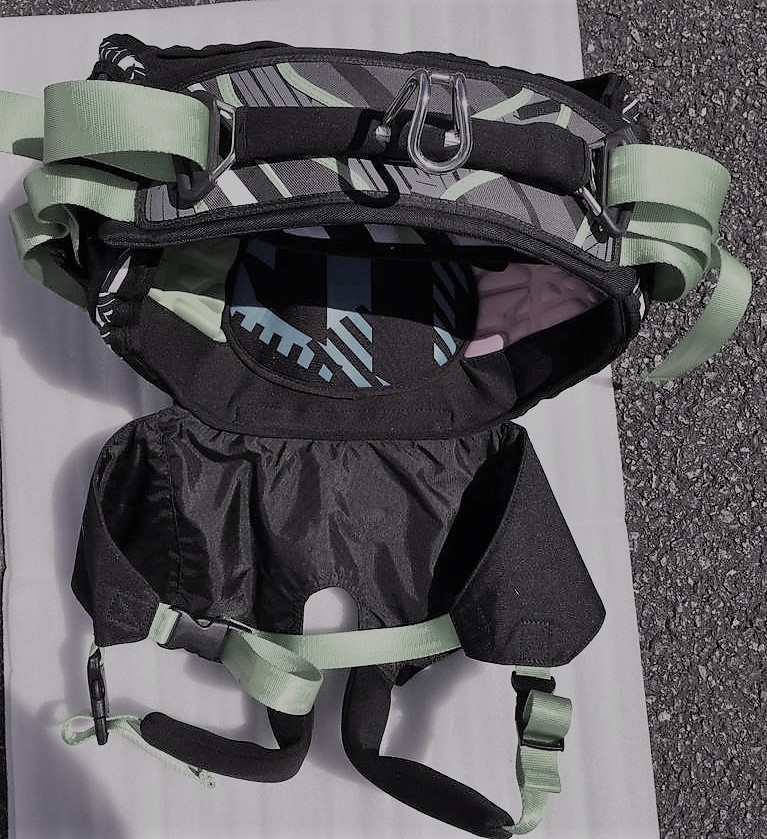
The kitesurfing harness is a crucial piece of equipment for every kitesurfer.
It provides the connection between the kite and the rider’s body, transferring the power needed to get out of the water and move forward.
There are two main types of kitesurfing harness:
The seat harness distributes the force around the waist, lower back and upper thighs, much like a climbing harness. It is ideal for beginners because it distributes the load more evenly and is also more comfortable for long-distance riding.
The waist harness rests mainly on the lower back and hips. Lighter and less restrictive, it allows greater freedom of movement, making it ideal for freestyle riding, where riders perform tricks and rotations.
THE STEPS TO LEARNING KITESURFING: AN ACCESSIBLE BOARD SPORT!
Learning to kitesurf only requires a reasonable level of physical fitness and a minimum size and strength that generally make it accessible from around 12 to 14 years old. With modern equipment, a little patience and good instruction, getting started is relatively easy. The most talented beginners can learn the basics in around 7 to 8 hours, or four to five days with two-hour sessions each day, while those who find it more challenging may need roughly twice as long.
The process of learning to kitesurf can be divided into four main stages. During each stage, students discover a particular aspect of the sport, learning to coordinate two essential elements: air and water. Step by step, they become familiar with their equipment and how it interacts with the natural environment.
PART 1:
ON LAND, DISCOVERING THE KITE
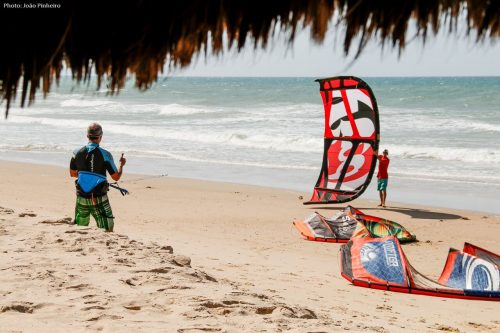
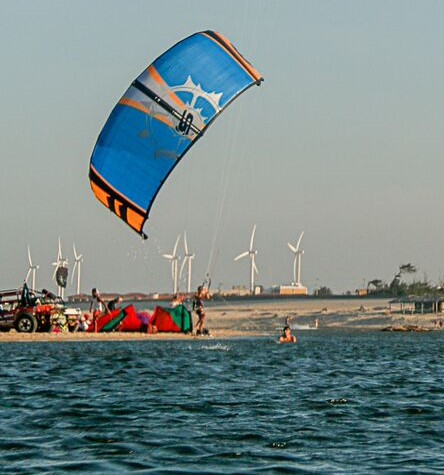
You will begin with a phase lasting around four to five hours, during which you will learn the basics of handling a kite on the beach. You will discover how to launch and land your kite, as well as the rules to follow in order to use the wind to your advantage. This stage allows you to understand the wind and how it interacts with the kite.
PART 2:
IN THE WATER, YOUR FIRST MANEUVERS
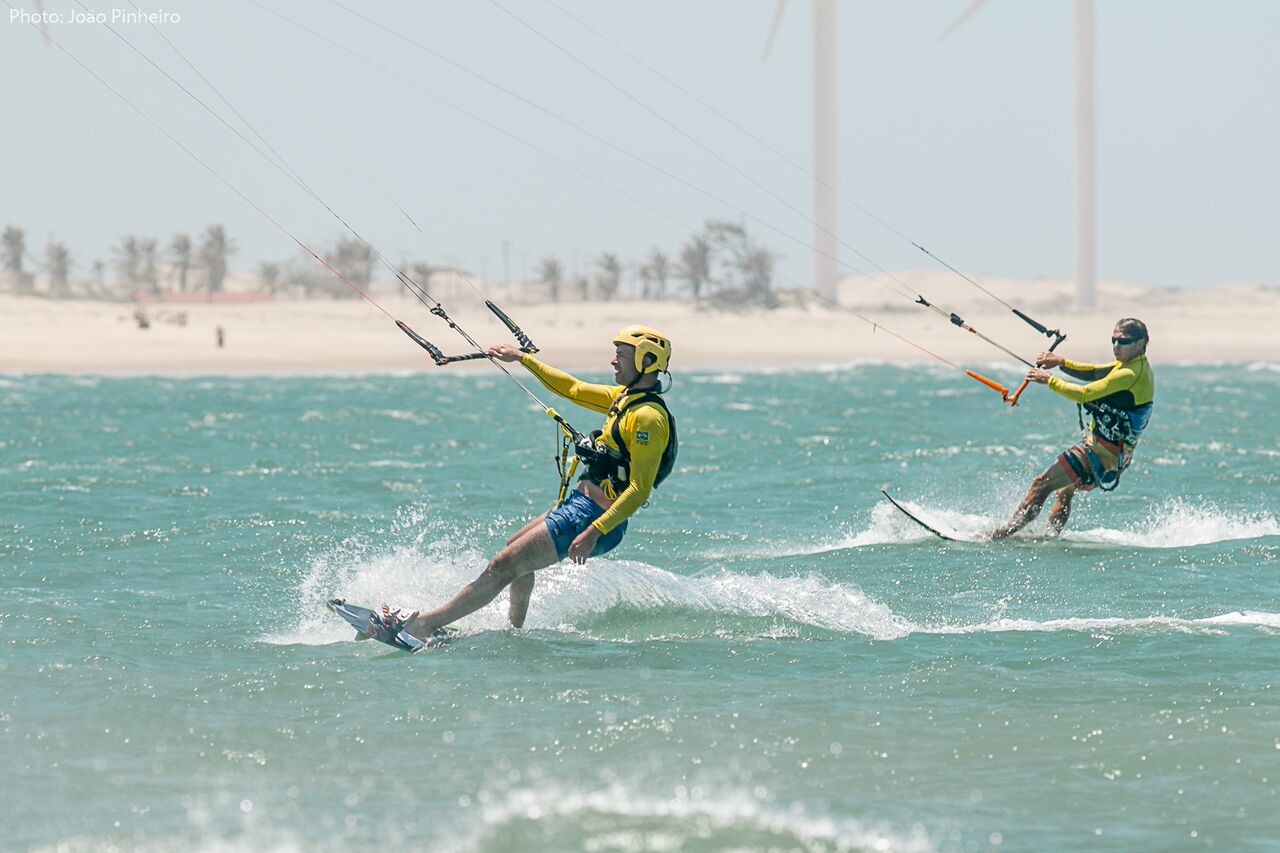
The second stage is known as the “body drag” phase. This is when you learn to maneuver your kite in the ocean without using the board. You will discover how to manage the kite’s pulling force and how to position it in order to move in the direction you want. Once you have mastered your movements and speed, you can move on to the next stage of learning to kitesurf.
PART 3:
GETTING
ON THE BOARD
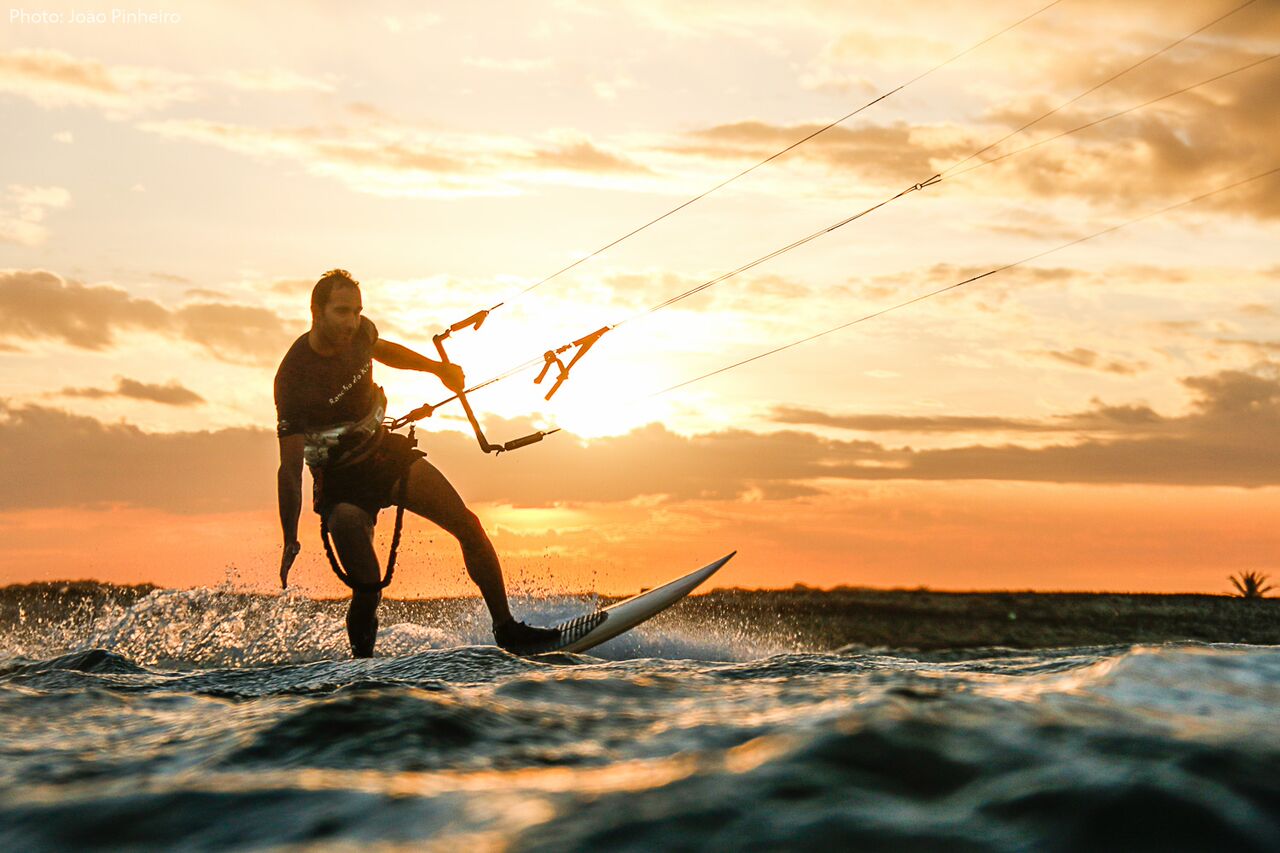
This is the final stage of the basic skills you need before truly getting started. It involves getting onto the board while connected to your kite and finally experiencing the thrill of gliding across the water, powered by the wind. During this final stage of learning the fundamentals of kitesurfing, you will learn how to get out of the water and start riding, as well as how to change direction and adjust the angle of your board to control the kite’s pulling force.
PART 4:
RIDING IN EVERY DIRECTION
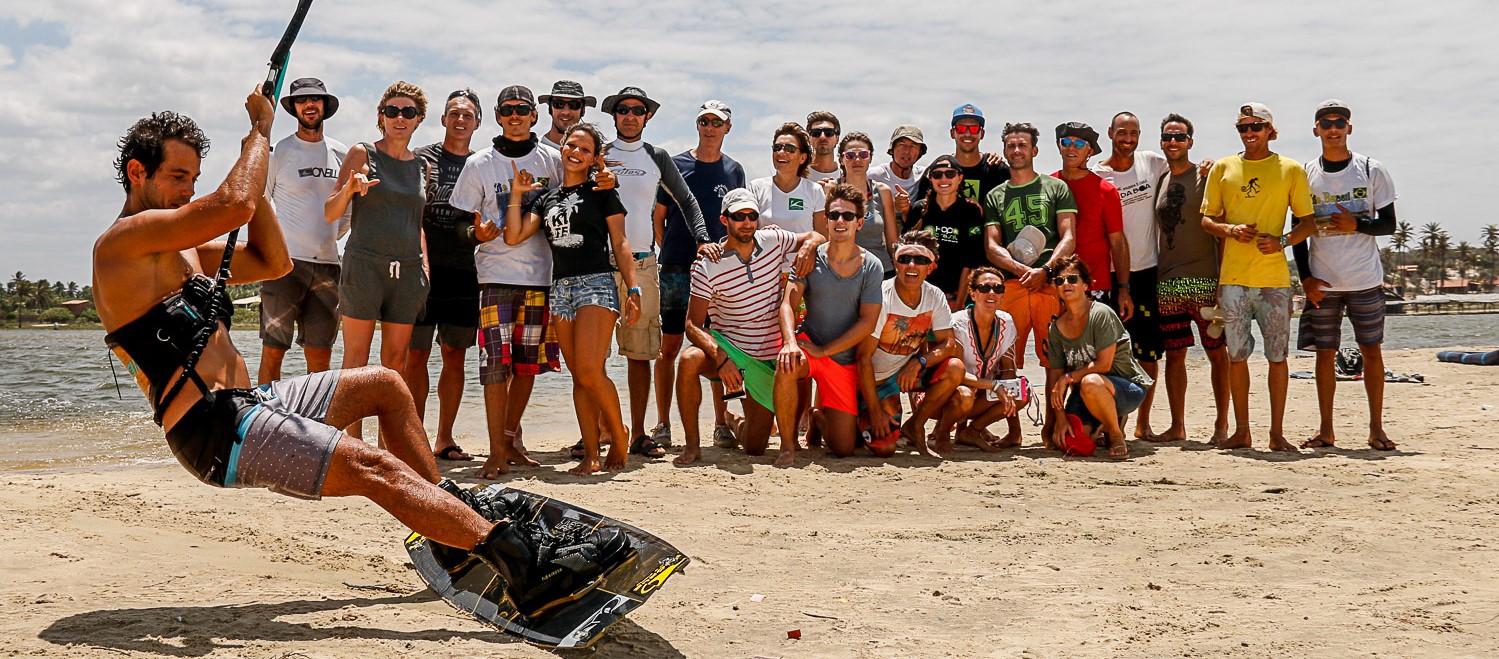
To ride comfortably in every direction, you will eventually need to master one final critical skill: riding upwind. Without it, you will simply drift downwind and end up having to walk back along the beach to your starting point… Once you have mastered this technical aspect, you will be ready to ride independently and move on to the fifth stage: jumps and tricks, an endless world where there is always something new to learn!
The best kitesurfing spots in Brazil
Northeast Brazil – Ceará (Fortaleza region)
Cumbuco
A versatile and easily accessible spot from Fortaleza, Cumbuco is ideal for beginners and riders looking to improve, with enjoyable freeriding conditions that are particularly good at low tide, as well as downwind options toward Cauipe Lagoon.
Taíba
A more challenging spot known for its steady winds and wave riding, with a lagoon nearby for riders who want to alternate with more relaxed freeride sessions.
Paracuru
One of Ceará’s signature kitesurfing spots, Paracuru combines flatter water and beautiful waves in the same location. It is perfect for mixing surfing, jumps and freeriding, with unforgettable downwind rides toward Lagoinha and then Guajiru.
Guajiru
A comfortable and authentic beachfront stop where you can enjoy pleasant riding conditions, with calmer water close to shore and waves farther out, all in a peaceful atmosphere.
Northeast Brazil – Ceará (Jericoacoara region)
Jericoacoara (a perfect base)
The village itself is not really a kitesurfing spot because its bay is sheltered from the wind, but it is a perfect base for easily exploring some of the best riding areas in the surrounding region.
Preá
A spot for confident riders, Preá is famous for its strong winds and powerful conditions. It is an excellent choice for those who love big jumps and riding in more challenging ocean conditions.
Guriú
Located at the mouth of a river, Guriú offers a highly prized flat-water area for freestyle and freeriding, making it a great alternative to the more exposed spots around Jeri.
Icaraizinho (Icaraí de Amontada)
A simple, authentic village with conditions that change according to the tide and wind strength, allowing riders to move from flat water to more dynamic conditions without leaving the spot.
Ilha de Guajiru
A benchmark destination for flat-water riding thanks to its estuary and extensive flat-water areas at low tide, ideal for speed, freestyle and technical sessions in wonderfully smooth conditions.
Northeast Brazil – Maranhão (on the way to the Lençóis Maranhenses)
Barra Grande
A very complete kitesurfing spot offering flat water at low tide and waves at high tide, making it perfect for a kite-focused stay combining progression and variety before continuing toward the Lençóis Maranhenses.
Northeast Brazil – Rio Grande do Norte
Pipa (Barra do Cunhaú)
A well-balanced destination where the best riding can be found at Barra do Cunhaú, at the mouth of the river. Its relatively flat water makes it ideal for beginners, while nearby Pipa offers a lively village atmosphere surrounded by beautiful natural scenery.
Natal (Pirangi / Genipabu)
An easy-to-reach option for combining a few kitesurfing sessions with the city, beaches and excursions through the dunes, even though the riding conditions themselves remain relatively straightforward and less spectacular than at some of the region’s other spots.
São Miguel do Gostoso
A peaceful and wonderfully laid-back village with long, uncrowded beaches and relatively accessible riding conditions, plus the possibility of finding waves farther offshore for a little more variety.
Galinhos
A secluded little paradise reached across dunes and by ferry, Galinhos features a lagoon that is ideal for flat-water riding and freestyle, along with downwind opportunities on the ocean side. It is a perfect destination for riders looking to escape the crowds and enjoy an unforgettable natural setting.
“Sports” tours in Brazil
Brazil’s Wild Heart: Jaguars & the Amazon
11-Day Tour: Encountering Brazil’s Iconic Flora and Fauna
From
5140
€