

Brazil, the Land of Soccer Lovers!
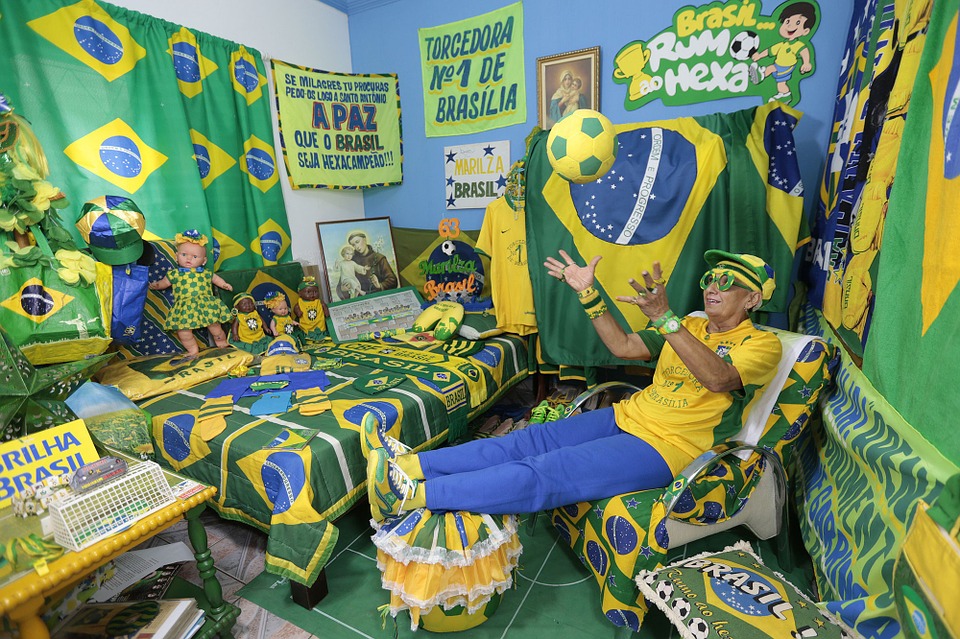
More than anywhere else in the world, soccer is Brazil’s number one sport!
It shapes the daily lives of Brazilians, whether they come from poor neighborhoods or affluent backgrounds. It influences their way of life, fuels their pride around the world, and elevates gifted athletes to almost legendary status, capable of bringing their fans indescribable joy—or profound disappointment. Without exaggerating, it is fair to say that Brazil IS soccer.
“Sports” Tours in Brazil
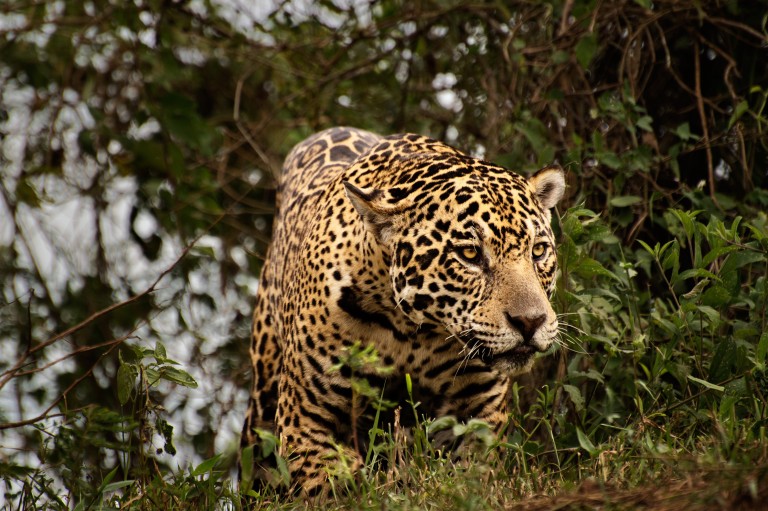
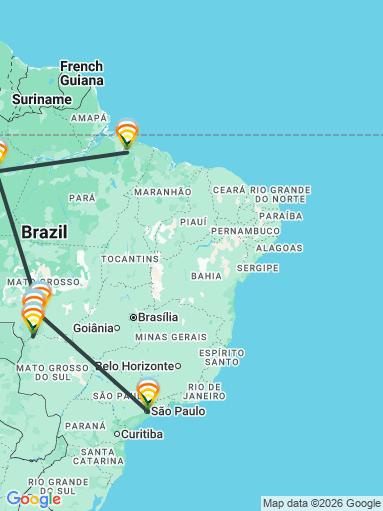
Brazil’s Wild Heart: Jaguars & the Amazon
11-Day Tour: Encountering Brazil’s Iconic Flora and Fauna
From
5140
€


Soccer in Brazil: An Extraordinary and Eventful History
Younger generations, or those less immersed in the world of soccer, may still remember one particularly painful image of Brazilian soccer: a stunned nation devastated by an unimaginable defeat in the semifinals of the last FIFA World Cup hosted in… (ouch!) Brazil in 2014.
That extraordinary 7-1 defeat to Germany, suffered by what was certainly one of the least talented Brazilian Seleção squads in the history of Brazilian Futebol, demonstrated at least two things: even the greatest soccer nation in the world is not immune to a crushing disappointment, and nothing can erase the countless successes the team has enjoyed over the decades.
From the game’s arrival from the distant British Empire in the late 19th century, introduced by Charles W. Miller, an Anglo-Brazilian born in São Paulo, to Brazil’s World Cup triumphs, soccer established itself as the country’s essential sport—the game through which anything seems possible, for the wealthiest as well as the most disadvantaged. Its history proves it: Brazil has won no fewer than five World Cups, a record that remains unmatched to this day!

Soccer, the Bond That Unites the Brazilian Nation
Soccer’s undeniable advantage over all other sports lies in the simplicity of its basic rules, making the game easy for everyone to understand. As in many countries around the world, soccer in Brazil quickly became an institution. But here, more than anywhere else, it grew into something resembling a second religion, after the country’s traditionally dominant Catholic faith.
From the beginning of the 20th century, clubs were established, mainly in major cities such as Rio and São Paulo, giving rise to increasingly passionate rivalries. In Brazil’s highly divided society, these encounters took on powerful symbolic meaning. Clubs such as Rio’s Flamengo became symbols of poor and working-class communities, while the wealthier classes were represented by Fluminense… which had no players of color in its ranks. This distinction carried particular significance in a country marked by deep social inequalities, making the clashes on the field all the more symbolic.
Every child kicking a ball—or even a tin can—through the streets of Brazil’s big-city favelas secretly dreams of one day becoming the celebrated star cheered on in legendary stadiums such as Rio de Janeiro’s Maracanã (with a capacity of 200,000 when it was built, a world record at the time), constructed for the first World Cup hosted by Brazil in 1950. More than a sport or a game, soccer became a means of social mobility, bringing together people from every ethnic background to the delight of an entire nation.
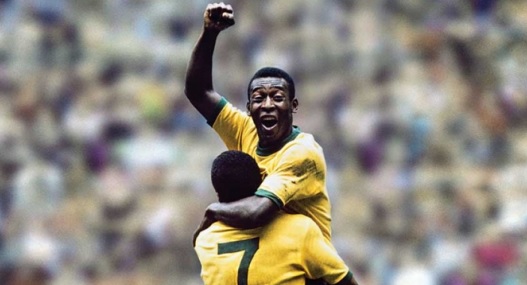
Pelé, the King of Brazilian Soccer
The World Cup propelled Brazil onto the international stage in the years following World War II. There was the 1950 tournament, of course, even though the defeat in the final on home soil against archrival Uruguay was deeply painful for Brazilian fans. But above all came the 1958 World Cup in Sweden, with the spectacular victory of the Seleção auriverde in the final—and the emergence on the world stage of a remarkably young, 17-year-old forward: Edson Arantes do Nascimento, better known as Pelé.
With three World Cups and many other prestigious titles to his name, “King” Pelé would forever embody the ideal image of the modern soccer player, much as Fangio did in motorsports. In Brazil, he became an iconic figure, universally respected both at home and abroad. He was later appointed Brazil’s Minister of Sports in the 1990s and became an ambassador for the United Nations and UNESCO in the fields of education and the environment. Pelé represented far more than Brazil’s sporting ideal. With his natural elegance and extraordinary talent, he perfectly embodied the brilliant, artistic and inspired style of play that would become a hallmark of the Brazilian national team, to the delight of soccer fans far beyond Brazil.
Like Pelé, all of Brazil’s greatest players—and this is part of their undeniable appeal—have embraced a style built on intuition and flashes of genius, which the international press has often described as “samba soccer” because of the unmistakably festive spirit of Brazil’s national team. Although the modern game has become more physical and leaves less and less room for creativity—as is unfortunately true of many sports—watching Brazil’s national team play remains a rare pleasure, even for those who are not passionate soccer fans.
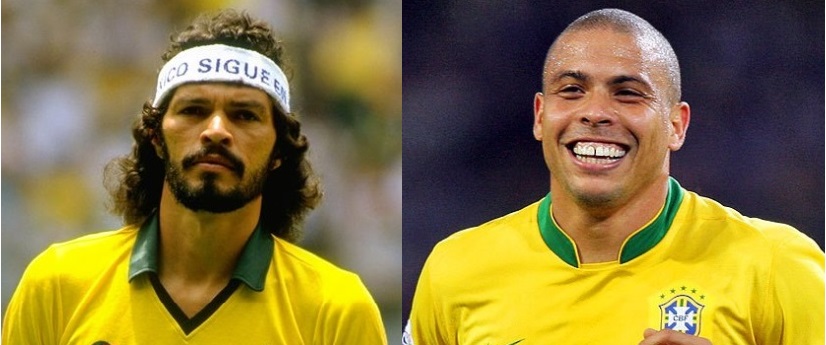
Sócrates, the Democratic Doctor & Ronaldo, Two Unforgettable Successors
Pelé had many successors, and listing them all would take far too long. Two, however, stand out for their unique stories: Ronaldo Luís Nazário de Lima, better known simply as Ronaldo, is considered one of the greatest strikers of all time. “O Fenômeno” was a powerful player with breathtaking speed and flawless technique. Winner of two Ballon d’Or awards (1997 and 2002) and two World Cups (1994 and 2002), he remains an absolute reference for strikers around the world.
The other “phenomenon” was the iconic Sócrates Brasileiro Sampaio de Souza Vieira de Oliveira, better known as Sócrates. This elegant midfielder did not achieve the most impressive international trophy record—he was unfortunately part of the brilliant Brazilian team of the 1980s that failed to bring the World Cup home—but his extraordinary journey made him one of the country’s most memorable players. Unlike the overwhelming majority of his fellow professionals, Sócrates was not only highly educated but also held a medical degree, earning him the nickname “Doctor”!
Alongside this unusual distinction, the player-doctor was also an engaged citizen who advocated for greater freedom of expression at a time when Brazil was under military rule. At his club, Corinthians, he helped establish a form of self-management and launched initiatives designed to encourage Brazilians to recognize the importance of taking control of their own destiny. Their motto was: “Win or lose, but always with democracy.”
His commitment not only escaped any veto from the authorities, who were reluctant to challenge a legend such as Sócrates, but also played a significant role in Brazil’s journey toward democracy.
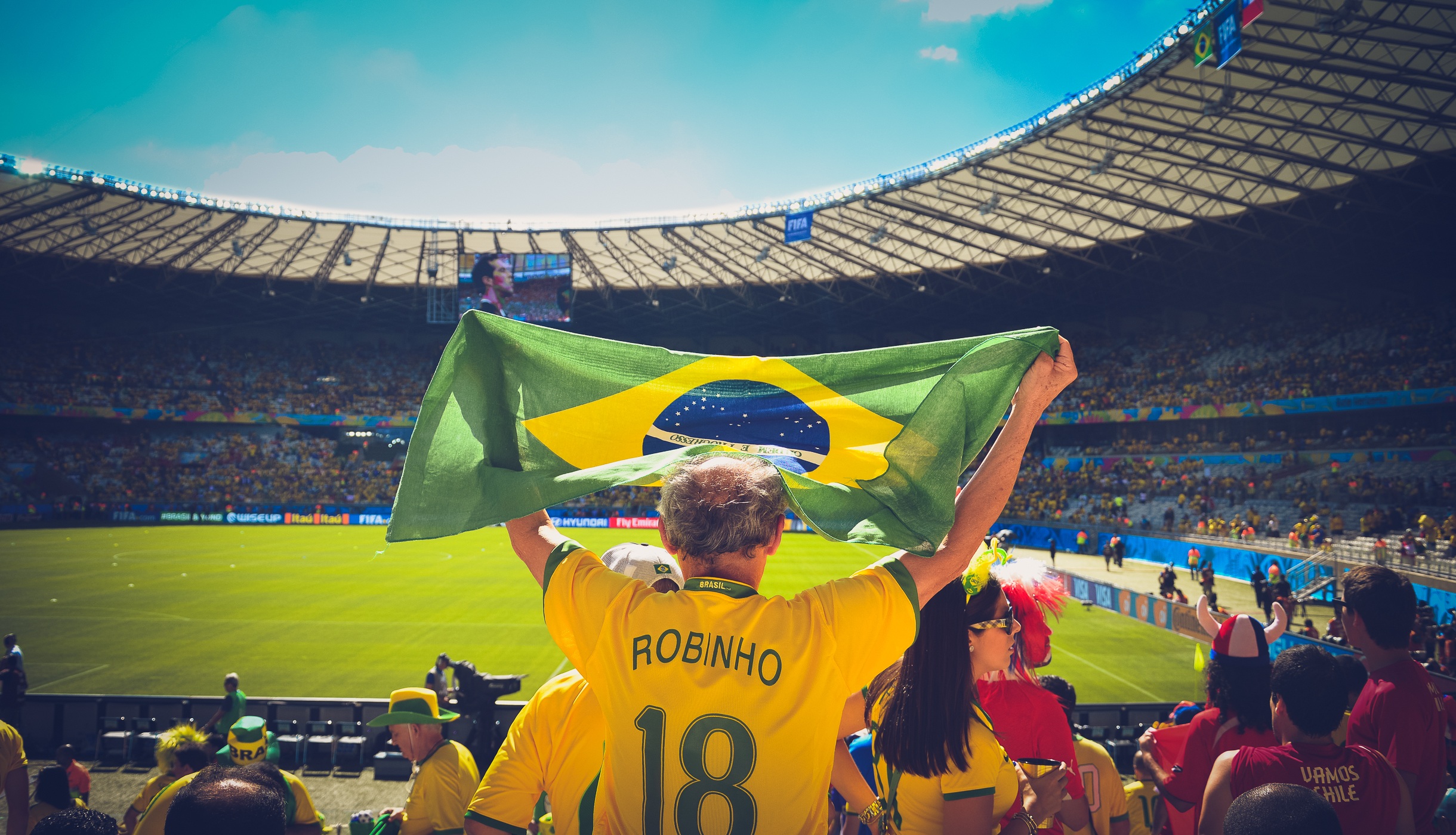
Soccer in Brazil, an Unmissable Celebration
Soccer fans—and curious travelers alike—should not pass up the opportunity to experience a major match in a legendary venue such as São Paulo’s Morumbi or the Maracanã in Rio de Janeiro.
Although the latter’s capacity was reduced from 200,000 to 100,000 and later to 80,000 spectators for the 2014 World Cup —officially to provide better viewing conditions—attending a Brazilian championship match, or for the luckiest visitors a South American cup match, in one of these temples of soccer is an unforgettable opportunity to experience the extraordinary passion and energy that Brazilians bring to the game.
Much like Carnival, soccer gives Brazilians—always eager to celebrate—the perfect opportunity to express their exuberance and unwavering faith in their team. Pre-match discussions are rarely about whether Brazil will win or lose, but rather about which possible lineup will give the Seleção the best chance of bringing home a title that, naturally, should belong to Brazil… at least in theory!