


Our tips for a safe and worry-free stay in Brazil

Is Brazil a dangerous country for tourists? No. If you use common sense, Brazil is no more dangerous than many other travel destinations, and Brazilians are generally very welcoming and friendly toward foreign visitors.
You may have heard that Brazil, and especially its major cities, can be dangerous. In reality, Brazil’s reputation is often exaggerated in the media, particularly when it comes to the safety of foreign visitors and tourists. When traveling on a trip organized by a reputable local travel agency, traveler safety during excursions is taken care of in both cities and rural areas. However, if you choose to explore the country on your own, here are a few safety tips to help ensure your stay in Brazil goes as smoothly as possible.
Brazil does have a relatively high crime rate, but serious crime mainly involves young people belonging to rival gangs or factions in disadvantaged neighborhoods of major cities, particularly the favelas, where groups compete for control of the drug trade. By following these simple safety guidelines, you should not encounter any more problems than you would at most other tourist destinations.
In general, tourists very rarely encounter violence, and when incidents do occur, they most often involve non-violent pickpocketing or petty theft. At Brazil Selection, since 2003, we have never experienced a serious safety issue involving any of our clients. Here are a few tips and some practical travel information to help you stay safe in Brazil and enjoy a relaxing, worry-free vacation.
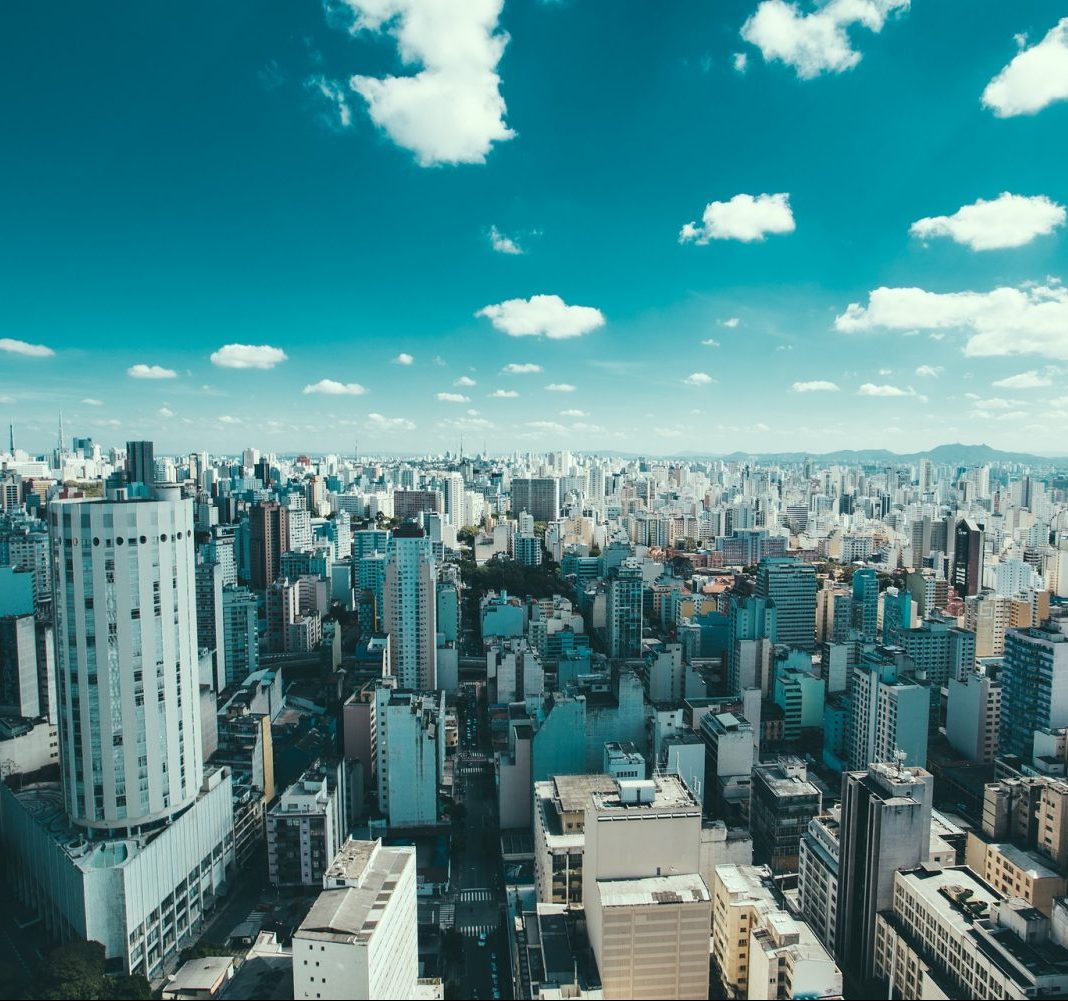
Basic safety rules in Brazil
You can greatly reduce the risk of encountering a problem in Brazil by following these simple recommendations:
- Leave your passport in your hotel safe, along with any other official documents or large amounts of money. Before your trip, make a copy of your passport, preferably laminated, and carry it with you when you are out and about.
- If you bring your driver’s license, keep it in a concealed pocket or money belt and only take it out when requested.
- Do not wear expensive watches or conspicuous jewelry while walking in the streets.
- Carry only the amount of cash you need for the day, preferably in small bills and divided among several pockets. However, it is always a good idea to carry a small amount of cash rather than leaving your hotel with none at all.
- Make copies of all your important documents (ID documents, insurance policies, airline tickets, etc.) and email them to yourself before traveling to Brazil so you can easily retrieve copies if necessary.
- When they are not in use, it is best to keep cameras and cell phones out of sight. Before taking out an expensive-looking device when you are alone in an unfamiliar city or neighborhood, take a moment to assess your surroundings.
- Avoid dark, deserted or visibly disadvantaged areas in cities unless you have a specific reason to be there.
- Do as the locals do and take a taxi or Uber at night.
- When exploring nature, do not touch unfamiliar plants and do not get too close to wild animals.
- Before swimming in an unfamiliar place, ask about any specific local hazards.
SAFETY IN BRAZIL WHEN
VISITING URBAN AREAS
Safety in Brazilian cities
Crime in Brazil is concentrated mainly in disadvantaged areas on the outskirts of major cities such as São Paulo, Rio de Janeiro and Recife, and does not reflect safety conditions throughout Brazil as a whole. Once you reach the countryside and smaller towns, life tends to be peaceful, and local residents, even in modest communities, are generally curious, warm and welcoming.
Unfortunately, poverty is widespread in some outlying neighborhoods and favelas of Brazil’s major cities. Because of difficult living conditions, gangs and criminal factions, known as facções, may have a significant presence in these areas. Looking only at a city’s overall crime statistics can therefore give a misleading impression before your trip. These figures may suggest that an entire city is affected, when this is far from the case. Criminal activity is largely concentrated in areas that are completely outside the usual tourist routes. You can therefore explore Brazil’s major cities safely as long as you remain in tourist areas and established neighborhoods. For this reason, we recommend that you do not venture into areas associated with drug trafficking, such as certain favelas, either alone or accompanied by an informal local guide.
How should you visit the favelas in Brazil?
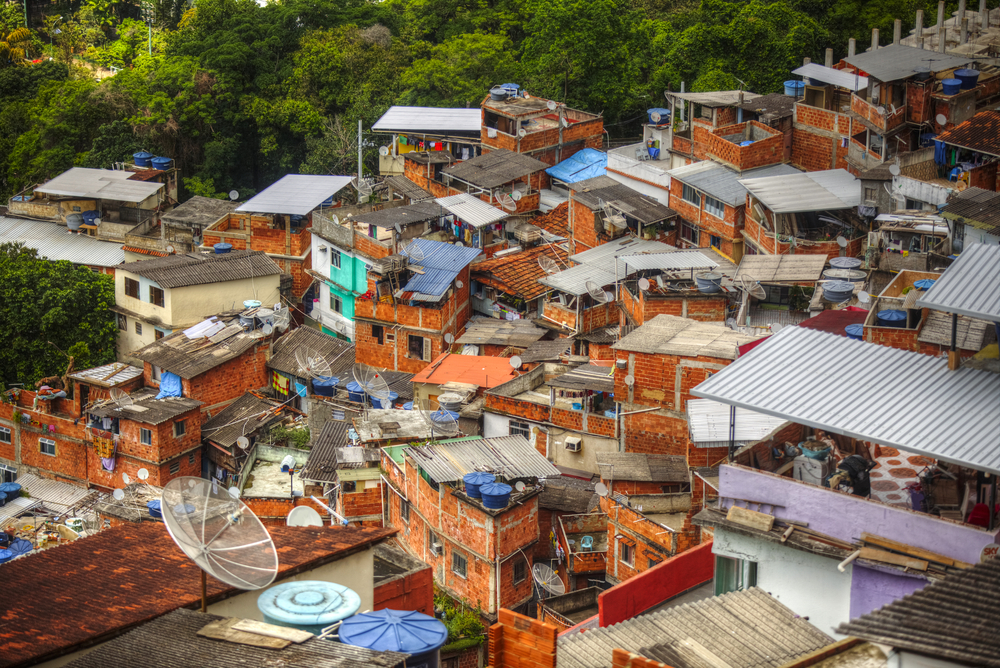
Many travelers visiting Brazil are interested in discovering the favelas, neighborhoods known for their characteristic maze-like architecture of unfinished red-brick homes and where many lower-income residents of Brazil’s major cities live. Today, it is easy to find agencies and guides offering favela tours. Before booking this type of experience, you should always make sure the operator is reputable and trustworthy. If you have any doubts, ask your travel agency, which can either arrange the excursion for you or recommend an appropriate local operator.
When they are properly organized with trusted local partners, generally specialized local NGOs or residents’ associations, and take place in appropriate areas, favela tours can be interesting because they provide insight into the everyday lives of local residents. Some of these neighborhoods can be beautiful, fascinating and full of life, but they are also people’s homes and communities, often densely populated. It is important to keep this in mind during your visit and to respect residents’ privacy and dignity. Do not enter residential spaces unless invited and do not take photographs inside people’s homes, as this may be perceived as voyeuristic. Instead, remain discreet, respectful and open to meeting people, and you are likely to receive a warm welcome!
However, because of criminal groups and occasional clashes between them and local law enforcement, there can sometimes be periods of heightened tension. It is therefore essential to check whether any police operations are currently taking place in the favelas you are considering visiting. If so, you should cancel this type of visit.
Is it safe for tourists to visit the favelas of Rio de Janeiro?
In the favelas around Rio de Janeiro in particular, which tourists and other travelers may be especially interested in exploring because of their relative fame, safety conditions can be unpredictable and you should not visit them on your own. One particular feature of Rio de Janeiro is that favelas can be found on many of the steep hillsides throughout the city, including within the “South Zone” (Zona Sul), where much of the city’s tourism activity and upscale neighborhoods are concentrated.
Some, such as Rocinha or Vidigal, are now more open to outside visitors. Nevertheless, we do not recommend visiting them outside the framework of a properly organized guided tour. You can check this map to see where the favelas of Rio de Janeiro’s South Zone are located: https://www.globalement.com/wp-content/uploads/2015/04/carte-favelas-rio-de-janeiro.png
We recommend knowing where they are located and avoiding entering them unless you are on an organized excursion. Tourists occasionally find themselves in a favela by accident while walking around, after following GPS directions or relying on their intuition. Getting lost in a favela can be very easy and stressful because the streets are often extremely narrow and maze-like, making navigation difficult. In addition, local residents may not appreciate unfamiliar people they consider outsiders wandering through their neighborhood.
Once again, if you have any doubts about the route you plan to take during your walks or the places you would like to visit, do not take unnecessary risks. Ask your private guide, travel agency or hotel concierge for advice.
Are pickpockets a risk in Brazil?
When it comes to pickpocketing, it is best to be a little more cautious in certain places. In Rio de Janeiro, this includes the beaches of Copacabana and Ipanema, as well as the neighborhoods of Santa Teresa and Lapa. In São Paulo, Paulista Avenue, Augusta Street and Republica Square are areas where you should remain particularly attentive. In northeastern cities such as Fortaleza and Salvador de Bahia, pickpockets are most likely to be found in busy tourist areas such as handicraft markets, although incidents remain relatively uncommon. There is also some risk of pickpocketing on crowded public transportation during rush hour.
Pickpocketing can also be an issue during major celebrations such as Carnival or at crowded events such as soccer matches. If you plan to attend this type of event, dress like the locals and bring only what you really need. Do not keep valuables in a pouch or in your back pockets. Avoid obvious tourist-style waist packs, which can make you stand out as a visitor, and instead choose a discreet backpack or crossbody bag that can easily be moved to the front of your body.
In busier areas, you may occasionally encounter “grab-and-run” theft, although this is becoming increasingly uncommon. If this happens, do not resist during the theft, but afterward try to attract the attention of nearby law enforcement officers immediately.
As a general rule, to discourage pickpockets, keep documents and small items in your front pockets. It is also preferable to keep larger items such as cell phones in hard-to-reach compartments inside your bag so they are not visible through your clothing and do not attract unwanted attention.

How safe are airports in Brazil?
As anywhere else in the world, occasional theft can occur at airports in Brazil. Because of the strong police and security presence, incidents generally involve opportunistic pickpocketing.
Never leave your luggage unattended and make sure all your bags have identification tags. If you do not have a transfer arranged by a travel agency and would like to take a taxi, always use an official taxi operated by the locally authorized cooperative. At Brazilian airports, you will generally find an official taxi company counter near the exit, where you can prepay your fare according to your destination address. Do not hesitate to ask at the airport tourist information desk, where staff can tell you the name and location of the official taxi company. Official taxis generally have a specific color and markings that vary from one city to another.
Uber also operates well in Brazil today, and airports often have designated pickup areas for ride-hailing apps, usually indicated directly within the app. If a driver approaches you spontaneously to offer a ride, it is best to decline.
What are the general tips for getting around Brazilian cities safely?
In general, when walking through Brazilian cities, choose relatively simple clothing that is appropriate for the area. Leave your jewelry at the hotel. Keep a low profile and plan your route before leaving so you do not have to check a map or navigation app in the middle of the street. When you are not accompanied by your guides, avoid displaying expensive items such as smartphones, headphones or DSLR cameras in the street if you do not see other people using them there. Once again, if you only take what you need for the activity you are doing, there is little reason to encounter problems.
Stay aware of your surroundings so you are not caught off guard. Avoid deserted streets and narrow passages where you cannot see the exit, as some may lead into favelas. When walking, favor busy areas with plenty of activity and, if you have any doubts, simply turn around calmly. Few Brazilians speak languages other than Portuguese fluently, so asking for directions can sometimes be difficult. It is therefore best to plan your route carefully in advance. If you need to check a map or your smartphone GPS, step inside a store to do so more discreetly.
As anywhere else, for your safety it is best to avoid certain areas of Brazilian cities at night, even when those same places are perfectly safe during the day. This is particularly true of downtown commercial districts that become deserted once stores close, as well as some urban beaches. In general, if you go out at night, stay in busy areas. Avoid places that are too dark or too quiet. Your guides know the nightlife in their cities well, so ask them for recommendations during your excursions. They will be able to suggest the best places to safely enjoy Brazil’s unforgettable nightlife. If you do not have a guide or are unsure, you can always ask your hotel reception or concierge for recommendations on where to have a drink or enjoy an evening of local music.
Police presence is generally strong in areas with large numbers of tourists, both day and night. When returning to your hotel in the evening, especially after 8:00 p.m., avoid walking along deserted streets. Outside busy areas, do as Brazilians do and take a taxi or Uber instead. They are relatively inexpensive, especially if you have had a few drinks.
What should you do if you are robbed or assaulted in Brazil?
There is a risk of armed robbery in Brazil, although it is extremely unlikely for travelers who follow the safety recommendations above. This type of crime occurs mainly in outlying urban areas and favelas that tourists do not normally visit. However, if you are unfortunate enough to encounter this type of situation, remember that the thief is interested in your possessions, not you personally, and that cooperating is usually the safest response. Do not resist. Calmly hand over whatever the person is asking for without arguing.
Afterward, you can go to a police station to file a BO (Boletim de ocorrencia), the Brazilian equivalent of a police report, or file one online through the appropriate website for the state where the incident occurred. This can be useful if you need to make an insurance claim.
How can you drive safely in Brazil?
To drive in Brazil during your vacation, you will need an International Driving Permit in addition to your U.S. driver’s license.
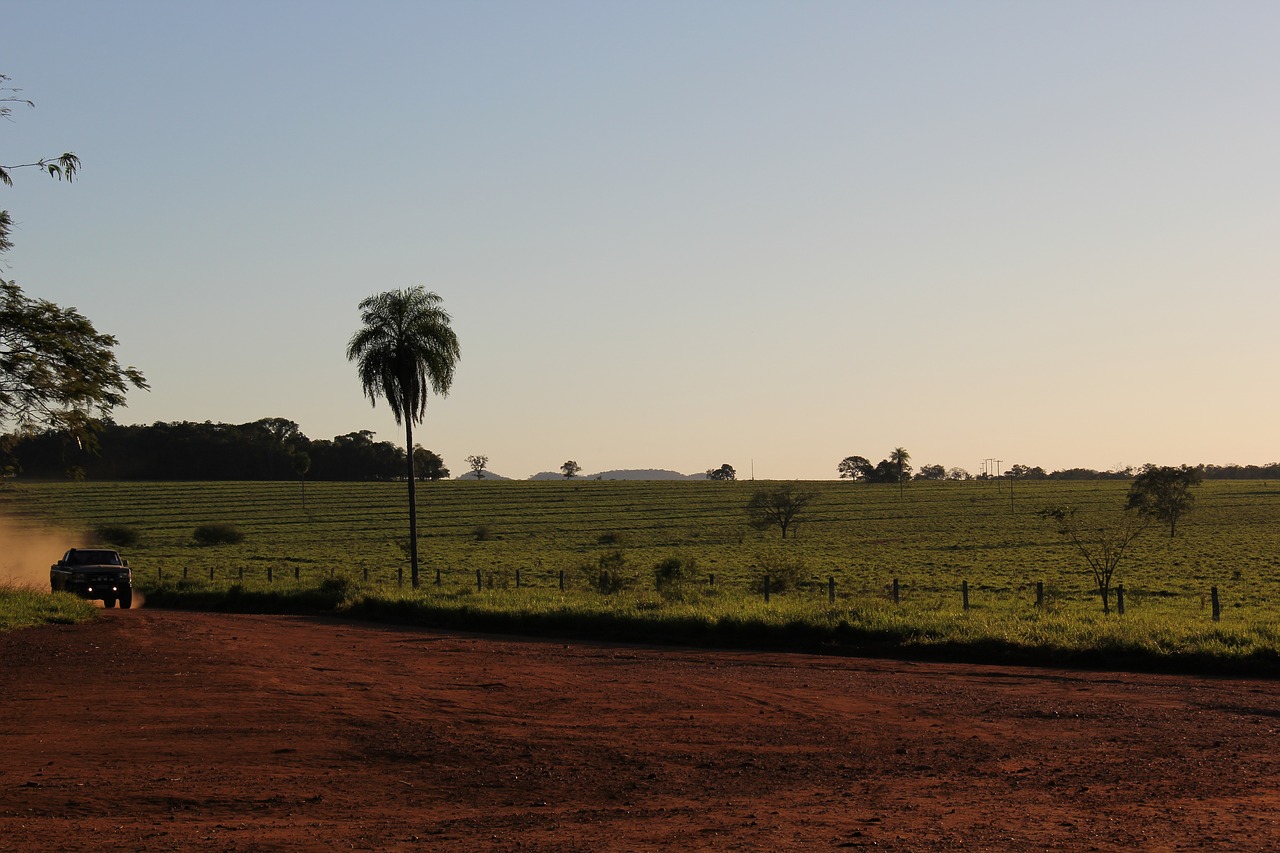
Driving habits in Brazil can be unpredictable and traffic accidents are relatively common. You should remain vigilant on the road and avoid stopping along the roadside at night in urban areas. If you need to stop, look for a gas station or another well-lit public place, preferably somewhere with other people around. In cities, drivers may sometimes proceed through red lights after 11:00 p.m. when there is no other traffic at the intersection. For safety reasons, driving at night on rural roads in Brazil is not recommended, particularly because you may encounter wild or domestic animals behaving unpredictably, as well as poorly visible pedestrians. Road conditions can also deteriorate unexpectedly. Driving in cities can sometimes be challenging as well, since you may encounter cyclists, motorcyclists and pedestrians who are not always clearly visible. Remain especially alert.
As a general rule, if you do not speak Portuguese and are not accustomed to driving in countries where traffic regulations may not always be strictly followed, renting or driving a car in Brazil is not recommended. It is far more comfortable to arrange a private car with driver through a licensed travel agency. In addition, if you are involved in an accident, particularly one involving another party, you may have to deal with lengthy administrative procedures that could take valuable time away from your vacation.
Safety on urban beaches in Brazil
In southern Brazil, and particularly in Rio de Janeiro, Brazilians tend to enjoy the beach in much the same way as people do elsewhere around the world. They settle down on the sand with umbrellas, towels and coolers. On sunny weekends, the beaches can become so crowded that simply making your way to the ocean may feel like navigating a maze.
Farther north, Brazilians are more likely to sit at beach kiosks or beneath nearby umbrellas, and it is less common to see people lying directly on towels on the sand. In either case, beaches are generally safe in busy areas. On urban beaches, avoid isolated areas and stay close to other beachgoers. Choose a lively section of the beach with kiosks, bars or beach clubs. You can often enjoy an umbrella and beach chairs in exchange for purchasing food or drinks — the perfect opportunity to enjoy refreshing coconut water straight from the coconut or a delicious caipirinha, in moderation.
When visiting an urban beach, avoid taking valuables with you and do not move too far away from your belongings. You may also ask a nearby family if they would mind keeping an eye on your things while you swim. Some beach kiosks offer lockers where you can securely leave your belongings. (Although the chances of someone stealing your flip-flops, shorts and T-shirt are extremely low…)
Walking along an empty beach in a major city at night may sound tempting, but it is not something Brazilians generally do either. Unless you are certain that the risk of crime is virtually nonexistent — which is generally only the case on beaches far away from cities — it is best to avoid doing so.

SAFETY IN BRAZIL’S NATURAL ENVIRONMENTS
Once you leave the major cities, Brazil is generally a very safe country, and in some rural areas it is not unusual for homes to remain open throughout the day and even at night.
However, Brazil’s natural environments also present certain hazards. When your trip is organized by a travel agency, particularly when staying in lodges, there is little reason for concern because activities are supervised and secured by experienced professional teams. However, if you would like to explore Brazil’s natural landscapes independently, here are a few simple precautions to help you stay safe.
How can you swim safely in Brazil?
Many Brazilian beaches offer the opportunity to swim in breathtaking surroundings, and it is truly an unforgettable experience during your vacation. However, it is important to remember that strong currents can occur in the Atlantic Ocean. If you are not an experienced swimmer, learn about local beach conditions before entering the water. Atlantic currents can be powerful, and because much of Brazil’s coastline is relatively exposed, many beaches have strong waves that make them a paradise for surfers. On sandy beaches, you may also encounter powerful rip currents, known in French as baïnes. Beaches generally provide information about these hazards, so pay attention to local signs or ask local residents or your hotel for advice. If in doubt, only enter the water where other swimmers are present and where there is a lifeguard or rescue service nearby.
If you are planning to take water sports lessons, make sure your school is certified by the appropriate organization. For kitesurfing, for example, this may be the IKO.
Shark attacks in Brazil are extremely rare, and the incidents that have been recorded are concentrated around certain beaches in Recife, where numerous warning signs indicate restricted swimming areas. Avoid swimming on beaches in Recife where swimming is prohibited, and if you have any doubts, ask your hotel or travel agency for advice.
If you go snorkeling or scuba diving, avoid touching corals and anemones, which can cause irritation. Keep a respectful distance from fish and other marine animals such as dolphins and turtles so you do not frighten them and can respect their natural habitat.
Stingrays are beautiful animals, but some species have venomous spines, including members of the potamotrygonidae family found in certain rivers of the Brazilian Amazon. They often bury themselves in sandy riverbeds, so ask local residents whether stingrays are present before entering the water. They are not aggressive. Simply shuffle your feet gently along the bottom so the rays can detect your presence and move away.
Contrary to popular myths, piranhas generally do not attack humans in rivers unless blood is present. In open water, it is possible to swim safely in areas where they live. During the dry season, however, when they may become trapped and hungry in isolated pools, you should not enter the water.
One of the main risks in Brazil’s natural environments is dehydration. This is especially true in the Northeast, close to the equator, where the combination of sun and wind can cause dehydration very quickly without you realizing it. It is important to drink plenty of water regularly. At the first sign of a headache, which may indicate significant dehydration, drink at least half a liter of water and then continue taking a few sips every 15 minutes. Also be careful of sunlight reflected by pale sand. Around midday, even in the shade, you should protect yourself from UV rays with sunscreen or suitable clothing.
Finally, remember that the intensity of the Brazilian sun can be particularly noticeable when you are in the water. If you intend to swim for a long time, use high-SPF sunscreen to protect yourself from sunburn or wear a UV-protective rash guard.

Safety in Brazil’s natural landscapes
Brazil has one of the richest ecosystems in the world. From the Amazon rainforest to the arid caatinga of the northeastern sertão, the country is home to an extraordinary variety of wildlife and plant life. These breathtaking landscapes are among Brazil’s greatest attractions and draw thousands of travelers every year.
However, as anywhere in the world, these environments are also home to plants that can sting, irritate the skin or be poisonous. During excursions with local guides, particularly in the Amazon rainforest, your guide will lead the way and warn you about potentially dangerous plants. It can also be a unique opportunity to discover plants that local communities have used for thousands of years as food, medicine or poison. However, when exploring without a local expert, avoid touching or tasting anything. Plants that look harmless or appear similar to familiar species can sometimes be dangerous.
What should you do when encountering animals in the Amazon rainforest?
The same precautions apply to wildlife. Brazil is home to an extraordinary variety of animals, some of which can be dangerous or venomous. The vast majority are not aggressive and are actually afraid of humans. This is one of the characteristics of wildlife tourism in Brazil: apart from birds and certain mammals, including many species of monkeys, wildlife can sometimes be difficult to spot. However, some animals may attack if they are surprised or feel threatened. This is particularly true of snakes. Most snakes are shy and will usually sense the vibrations of your footsteps and move away before you even see them. However, if surprised, cornered or protecting their young, they may react defensively. If you encounter a snake, move backward to give it enough space to escape while paying attention to the direction it takes. In the vast majority of cases, it will quickly move away. If it remains where it is, make a wide detour around it. If you encounter one on a slope, moving uphill so that you are positioned above it is generally preferable. In the event of a bite, it is important to identify the animal if possible, for example by taking a photograph from a safe distance, and seek medical attention immediately.
During organized excursions from lodges located deep in natural areas, there is no reason to worry. Routes are checked in advance by experts and the guides know their environment extremely well. They pay close attention to both your safety and their own! Always let your guide walk ahead unless they invite you to go first. However, if you are exploring the Brazilian wilderness on your own, remain cautious, watch the ground carefully and stay on established trails. For greater comfort and safety in the Brazilian rainforest, wear loose-fitting, protective clothing in light colors, which tend to attract fewer insects. Wear a hat to protect yourself from debris that may fall from the tree canopy and closed, breathable shoes such as lightweight sneakers.
In short, despite some misleading perceptions, Brazil can be considered a safe destination for tourists.
There are, of course, certain safety guidelines to follow when traveling in Brazil. However, this does not mean that Brazil is a dangerous destination for tourists. The penalties for crimes committed against foreign visitors in Brazil can be severe, and criminals generally prefer easier targets that involve less risk for them. The most important thing is simply to use common sense and avoid putting yourself in unnecessarily risky situations.
And remember: Brazilians are among the warmest, friendliest and most welcoming people in the world! Come and meet them — the experience will be unforgettable!