

Architecture in Brazil
Architecture in Brazil is a blend of multiple influences, adapted over different periods to the natural environment and topography of a country with highly varied geographical and climatic conditions.
Portuguese explorers discovered Indigenous villages carefully organized around malocas, large communal dwellings. They themselves built religious structures surrounded by modest houses, before their descendants went on to develop cities that would eventually become major metropolises such as Sao Paulo. These changes followed trends also found throughout the other artistic disciplines.
“Culture” tours in Brazil
Indigenous architecture in Brazil
Even without advanced technologies or professional technical knowledge, Brazil’s Indigenous peoples succeeded in building remarkably elaborate structures. Each tribe developed its own architectural traditions, with distinctive approaches to construction methods, house shapes, and sizes. What they have in common is the widespread use of plant-based materials, giving Indigenous architecture an unmistakably vernacular character. Because of the tropical conditions, very few traces remain of Indigenous settlements dating from before colonization. However, the latest advances in Amazonian archaeology, using satellite mapping, are changing our understanding. They have revealed vast networks of traces and building foundations deep in the jungle, now buried beneath the vegetation, suggesting that stone architecture may have existed in the past. These discoveries are still being studied at the time of writing, but they may revolutionize our understanding of Brazil’s Amazonian Indigenous peoples and their architecture.
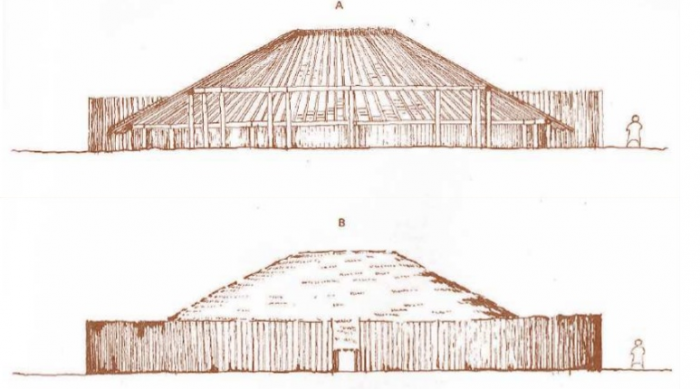
Some tribes lived, and others still live, together in villages known as “ tabas ,” made up of individual houses, while others preferred larger buildings capable of sheltering the entire tribe, known as “ malocas ” or “ oca .” Hybrid models also exist, with a large shared central house surrounded by smaller huts for individual families. In most cases, the huts are arranged in a circle or arc around a large central area of packed earth, ideal for rituals.
The malocas – circular, elliptical, or rectangular – were divided inside into spaces measuring approximately six by six meters, separated by a central corridor where food was prepared. The houses were built on wooden structures and covered with thatch, fibers, or leaves. In dry areas, buildings were constructed close to the ground, while in marshy regions they were naturally raised on stilts. In every case, the house was designed to provide as much protection as possible from the weather and attacks by animals or even enemies.
Today, few Indigenous peoples still live in this type of traditional dwelling. The Yanomami tribes, for example, are among those who have chosen to continue living in large communal houses as their ancestors did.
Colonial architecture in Brazil
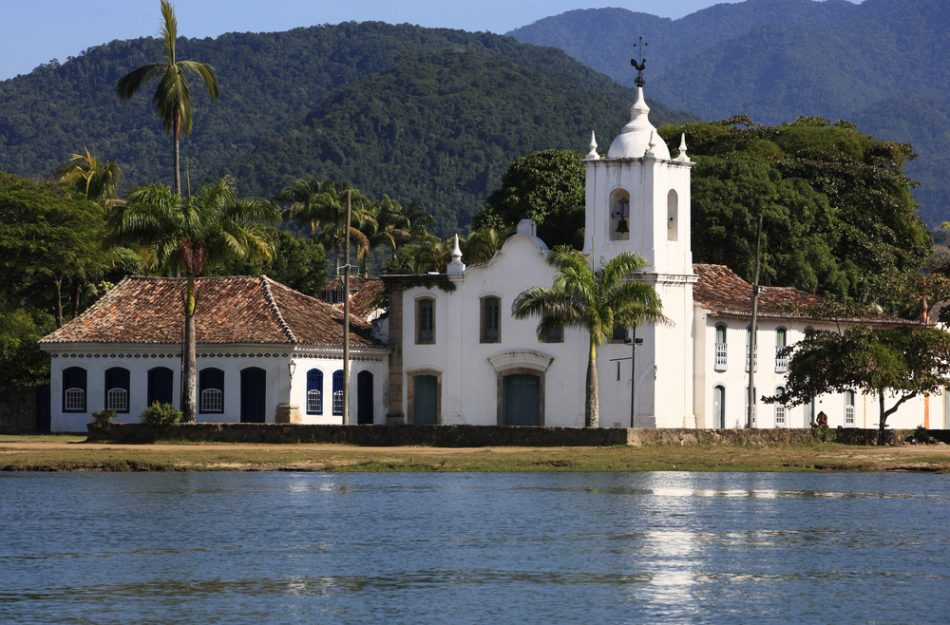
Clearly inspired by Portugal, colonial architecture was characterized above all by churches commissioned by ecclesiastical authorities, especially the Jesuits. The first were built using materials found locally, particularly wood, but settlers soon began erecting permanent buildings that reflected the architecture of their homeland, notably with their white façades and pediments.
Homes were much simpler, built from rammed earth and wood. The use of more durable materials, along with the development of larger residences featuring beautiful floors and ceilings, gradually led Brazilian housing toward a greater emphasis on quality. Santa Rita Church and the residences in Paraty, as well as the streets of the historic Pelourinho district in Salvador de Bahia, are beautiful examples of colonial architecture. The city of São Luis do Maranhão, founded by the French, is now home to the largest collection of colonial architecture in Brazil. Much of it, however, remains in very poor condition despite restoration efforts since the city was designated a UNESCO World Heritage Site.

Brazilian Baroque architecture
Baroque architecture was the logical continuation of the colonial style. It reflected a growing desire for more comfortable homes and, above all, a way to display social success. Cities were prosperous, and wealthy families wanted to invest in architectural development. Cities such as Ouro Preto, Diamantina, Tiradente, and Mariana in Minas Gerais remain some of the finest examples of Baroque architecture in Brazil.
In the 17th century, two major forms of Baroque architecture emerged. The first was introduced by the bandeirantes, explorers who ventured into the interior of the country and the gold-producing regions of Minas Gerais in search of mining opportunities. The second was religious Baroque, which reached its height in the 18th century. While the former favored functional buildings with a restrained style, the latter embraced gilding and elaborate architectural curves that became known as “ Rococo .” Sculptor and architect Aleijadinho is one of the most famous representatives of this movement.
Neoclassical architecture in Brazil
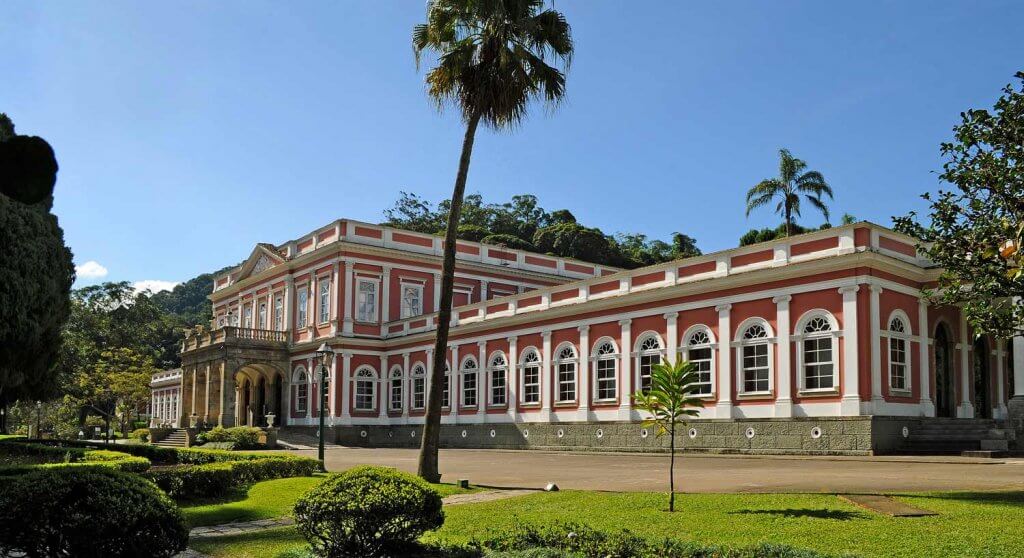
Every period of excess eventually inspires an opposing movement, and this is exactly what happened between Baroque and Neoclassical architecture. By the early 19th century, Baroque was increasingly seen as the outdated vision of the old colonial era, something the newly independent nation emerging in 1822 sought, if not to erase, then at least to leave behind. Neoclassical architecture aimed to restore distinctly Brazilian values to the aesthetics of new buildings.
It was intended to be more functional and better suited to cities expanding from north to south, including São Luis, Recife, Salvador, Rio, and São Paulo. Floor plans became simpler, rooms larger, windows were fitted with glass, and buildings took on a symmetrical appearance that complemented the urban development of these major centers.
Until 1870, Rio de Janeiro hosted a French cultural mission. The most important architect involved in the development of Neoclassical architecture was Grandjean de Montigny. His teaching would lay the foundations for modern architecture in Brazil. The style became more popular following the inauguration of the Imperial Academy in 1826. Examples can be admired at the Imperial Museum of Petrópolis, the Teatro da Paz in Belém, the Teatro Santa Isabel in Recife, and, of course, the Imperial Academy of Fine Arts and the Casa da Moeda in Rio de Janeiro.
Eclectic architecture in Brazil
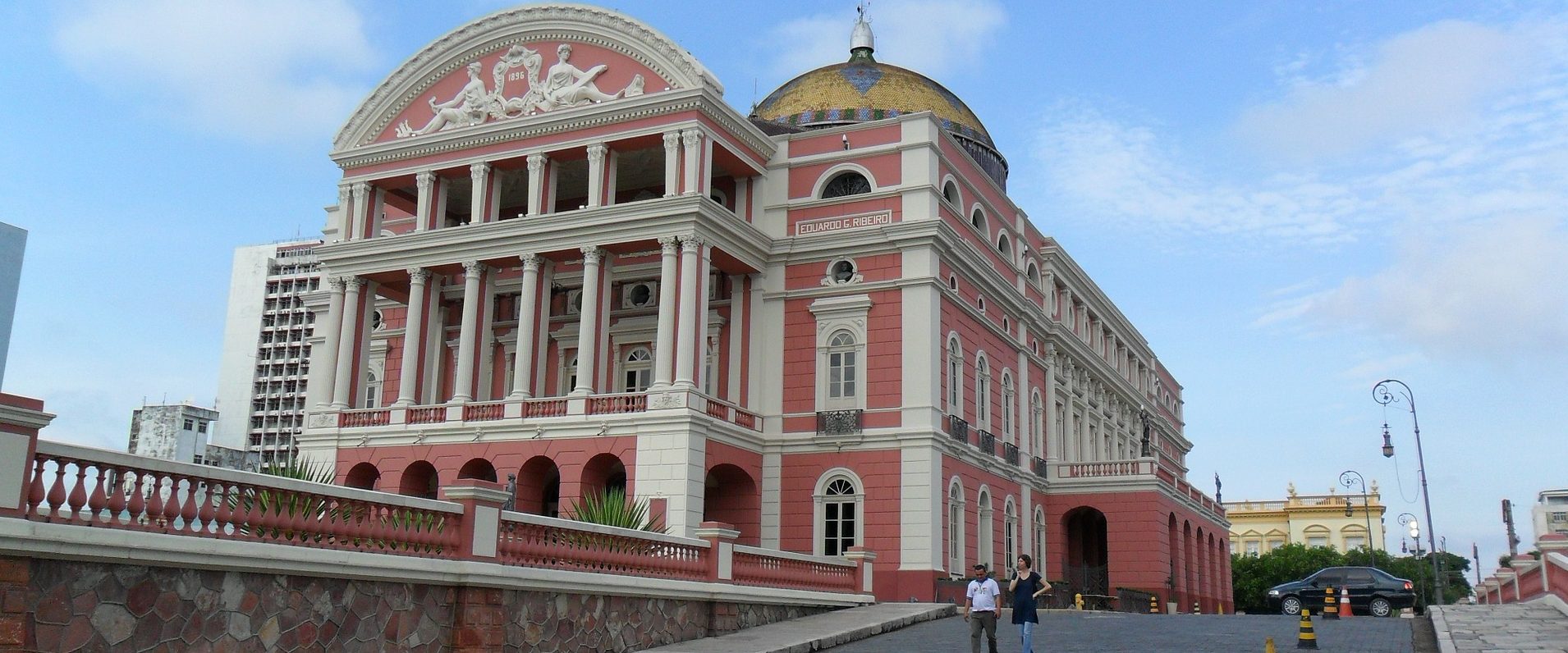
This style was promoted by the Imperial Academy and closely followed Neoclassicism, while no longer systematically rejecting certain interesting elements from the past. The main difference lay in a greater command of construction engineering, with wrought iron becoming one of the defining features of new buildings erected during the second half of the 19th century. The boom in the coffee and sugar trades and, above all, in Borracha, the rubber produced from Amazonian rubber trees, created immense fortunes and encouraged Brazilians to significantly expand their architectural heritage using the very best techniques available. By the end of the 19th century, Manaus had become one of the most modern cities in the world.
Unlike previous periods, when large numbers of enslaved people were used to carry out construction projects, a more skilled workforce was employed. This reflected a growing desire for refinement as the country’s major cities developed. The Amazonas Theatre and Mercado Municipal in Manaus, the Ely Building in Porto Alegre, and the Laranjeiras Palace and Imperial Library in Rio de Janeiro are among the finest examples of Eclectic architecture.
Modern architecture in Brazil
As in other artistic disciplines, the Modern Art Week held in São Paulo in 1922 marked a complete shift in outlook and attitude. It was a time to assert national identity and transform the conventions of society. Architecture was no exception and embraced modernity, driven by major technological innovations that had emerged worldwide with the Industrial Revolution, including reinforced concrete.
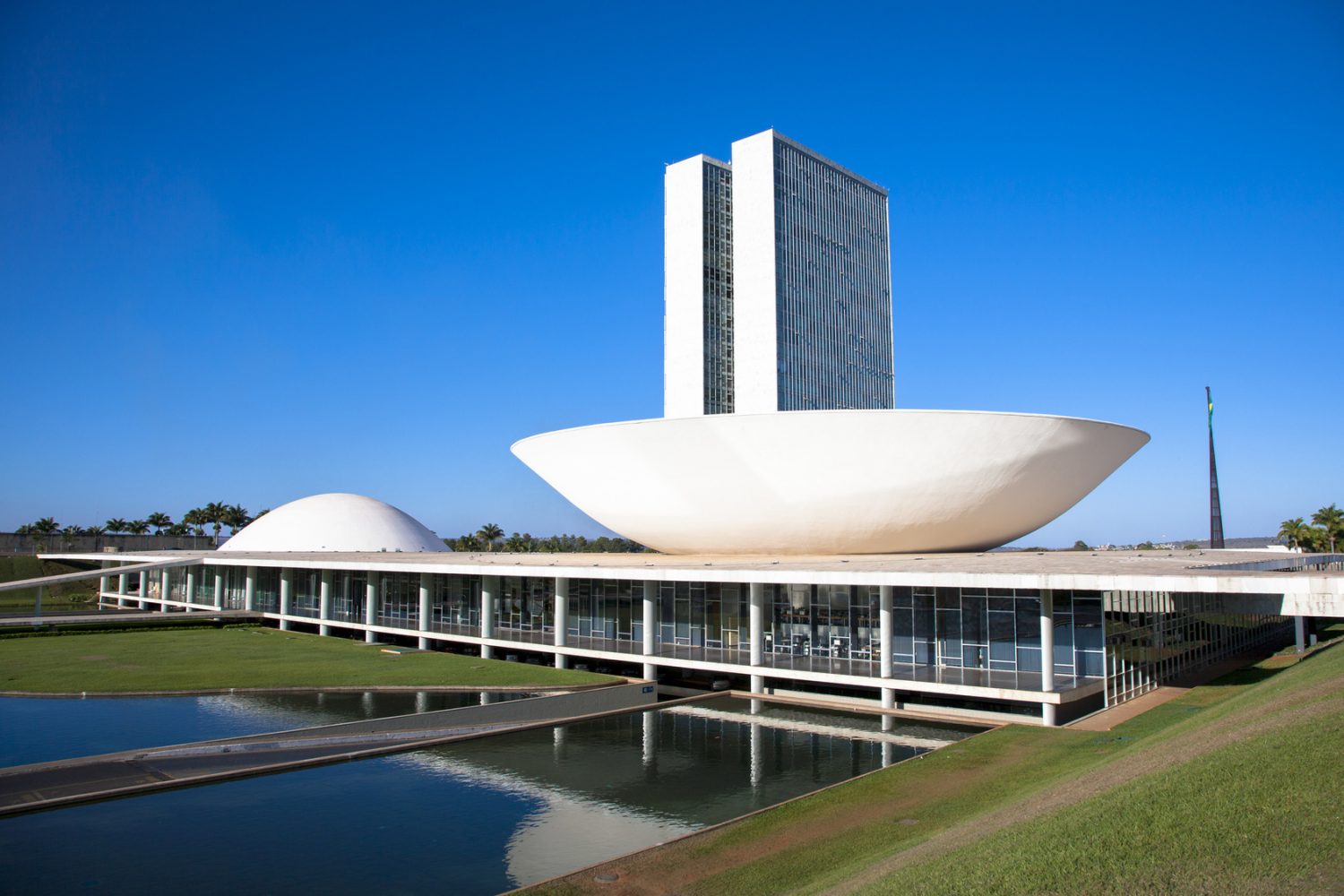
The Brazilian government played an important role in establishing this new movement, sponsoring numerous projects as symbols of modernity and progress. Between the 1960s and 1970s, modern architecture became a powerful tool used by successive governments to demonstrate the country’s progress and industrialization. The first project in this style to achieve nationwide recognition was the Ministry of Education and Health building, completed in 1936. Buildings of this kind feature clearly defined geometric forms without ornamentation.
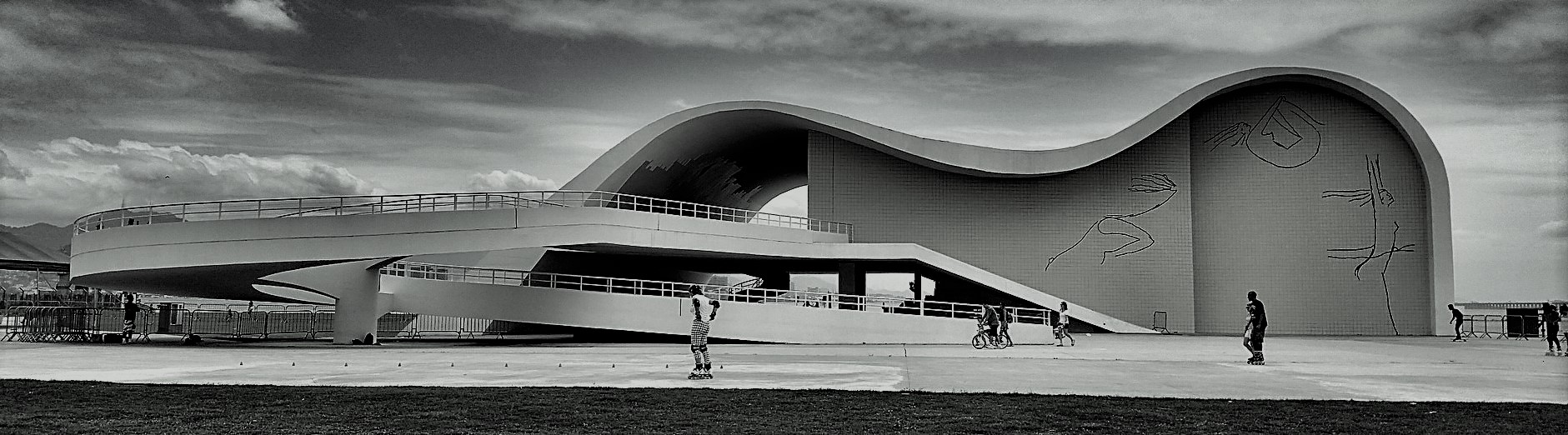
The Casa Modernista in São Paulo, the Conjunto da Pampulha in Belo Horizonte, the Grande Hotel in Ouro Preto, and the Museum of Modern Art and Brazilian Press Association building in Rio de Janeiro perfectly illustrate this innovative movement. But the masterpiece of modern Brazilian architecture is, of course, the creation of the federal capital, Brasilia, in 1960 by Oscar Niemeyer and Lúcio Costa.
Contemporary architecture in Brazil
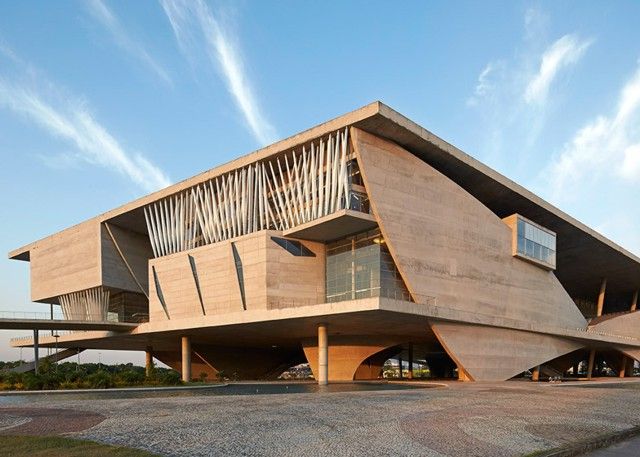
Contemporary architecture succeeded its predecessor at the beginning of the 1980s. There was no longer a single doctrine to follow blindly: each architect began using their own language to achieve the best possible result. Aesthetics naturally remain important in contemporary architecture, but the use of techniques and materials suited to the times is equally essential.
Projects are designed around principles of sustainability, economy, and functionality. Large glazed openings are particularly encouraged to bring in natural light. At the dawn of the 21st century, buildings increasingly need to follow an environmentally responsible approach, using less toxic materials and integrating vegetation into the heart of each project.
Through increasingly inspired and futuristic architecture, Brazil has shown the world that it fully deserves its place among the world’s technologically advanced nations.