


Brazil’s wildlife, diverse species and a precious natural treasure
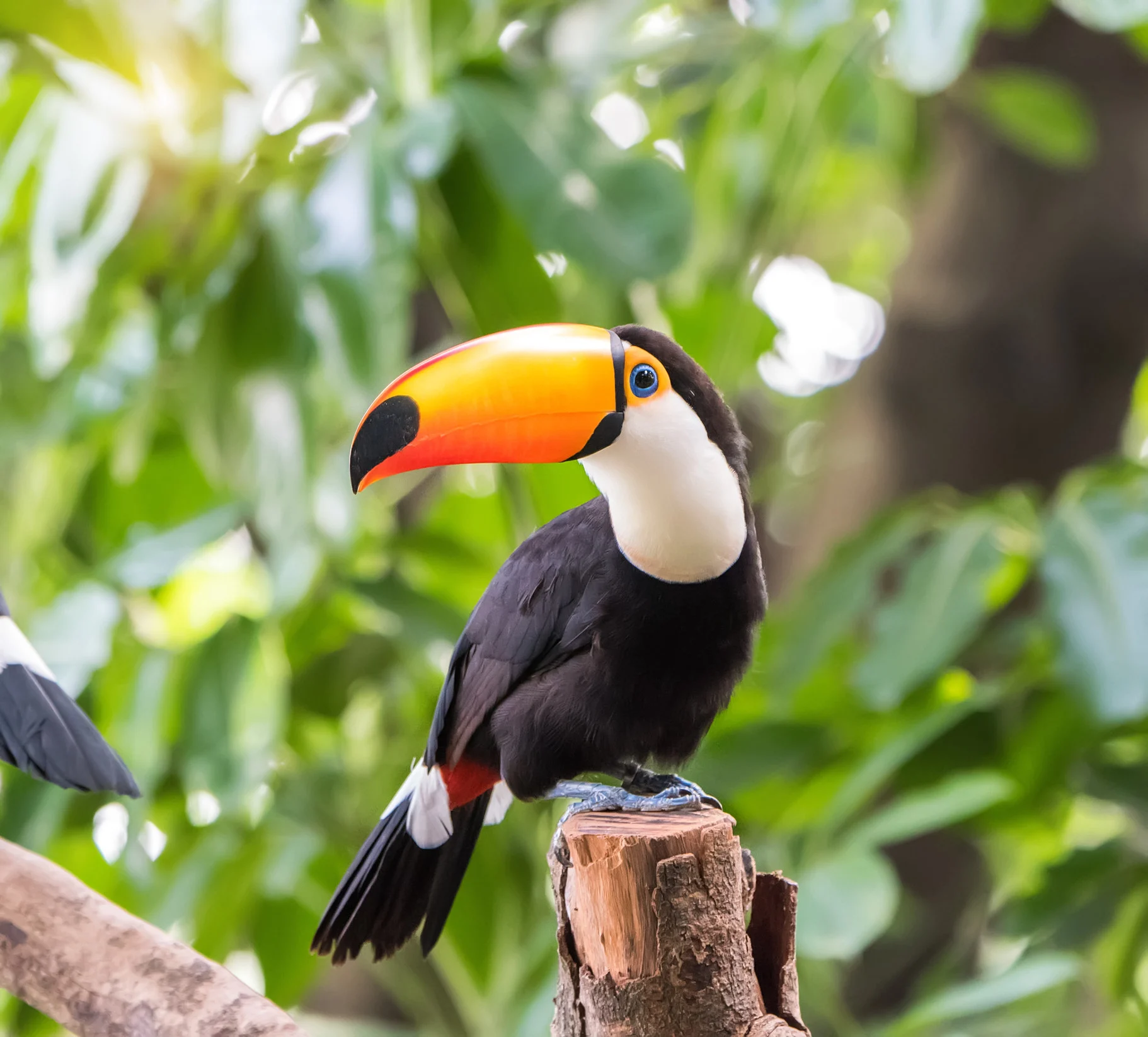
Brazil is one of the world’s greatest biodiversity sanctuaries. Well known for its incredible and varied geography, the country is home to an immense number of animal and plant species. A true mosaic of natural environments, Brazil has five main ecosystems: the Amazon rainforest, the Atlantic Forest, the Caatinga, the Cerrado, and the Pantanal wetlands. More than 15 times the size of France, Brazil features very different climates depending on the region, resulting in an impressive variety of wildlife! Whether in mangroves, plains, jungles, or mountains, animals are always part of the scenery.
“Culture” tours in Brazil

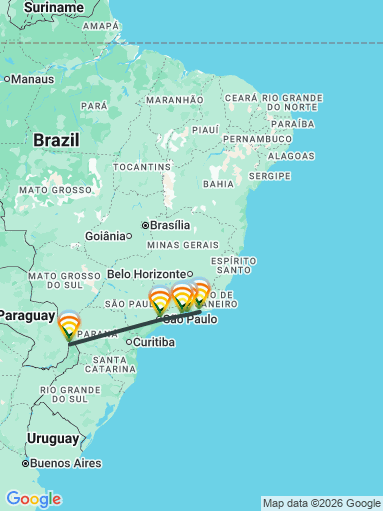
Brazil’s natural environment is characterized by tremendous diversity, but also by a precious uniqueness. The country is home to a large number of endemic animal species that are essential to its terrestrial ecosystems. Brazil has many natural parks and protected areas throughout its territory, all of which shelter fascinating wildlife. Mammals, reptiles, birds, and fish—the variety of species seems endless, with some being truly spectacular. Among them are the legendary anaconda, the Amazon river dolphin, the capybara, and the mysterious jaguar. Such a concentration of charismatic wildlife in a single country is an invaluable natural treasure. Brazil is an ideal destination for wildlife watching. From the Amazon Basin to the wetlands of the Pantanal, wildlife is everywhere. Here, we introduce you to some of the most iconic species found across these magnificent lands.
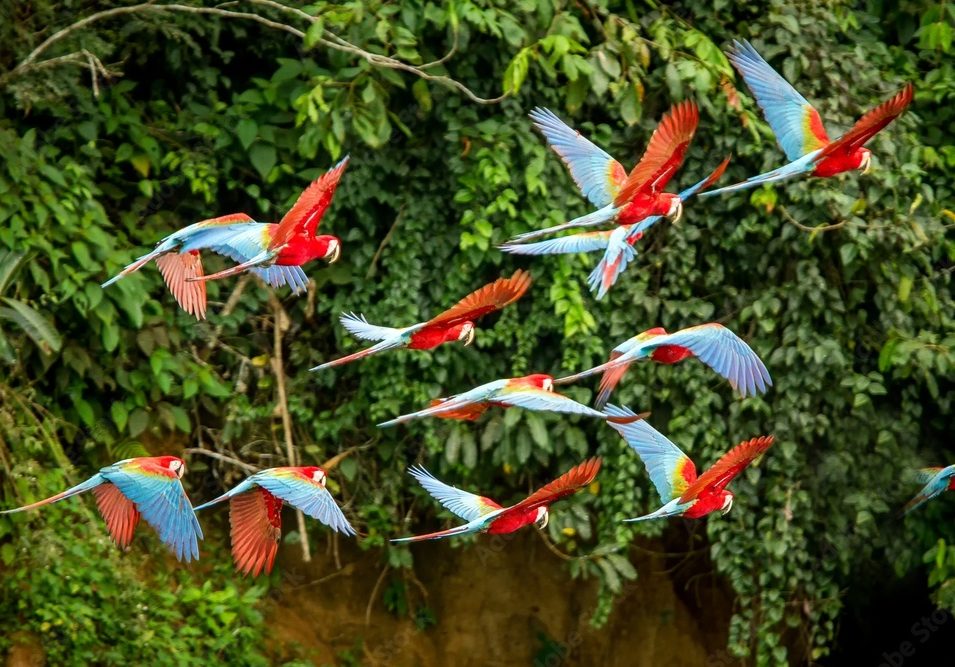
Brazil’s Amazon rainforest, home to numerous endemic wildlife species
Brazil is a vast and ancient land with extraordinary biodiversity. Some animal species have inhabited Brazil’s ecosystems for thousands of years. In the famous Amazon rainforest, the richness of wildlife is truly impressive. Known for being home to 10% of the world’s biodiversity, the Amazon rainforest is one of Brazil’s richest natural environments. Covering nearly 7 million km2 and crossed by the Amazon River, one of the two longest rivers on Earth, the Amazon rainforest is one of the most prolific and diverse regions on the planet in terms of wildlife. It is an exceptionally favorable environment for a wide variety of mammals. Species emerge rapidly and disappear slowly. Ecologists and biologists continue to study this remarkable environment, where new discoveries are regularly made. The Amazon is at the very heart of global biodiversity.
The Brazilian Amazon rainforest is home to more than 500 endemic mammals, 150 species of primates—the greatest diversity of primates in the world—1,700 species of birds, 3,000 species of fish, 370 species of reptiles, and thousands of insect species. This diversity is even more remarkable when you consider that thousands of species remain unknown and undocumented. In this article, we introduce you to some of the most iconic species.
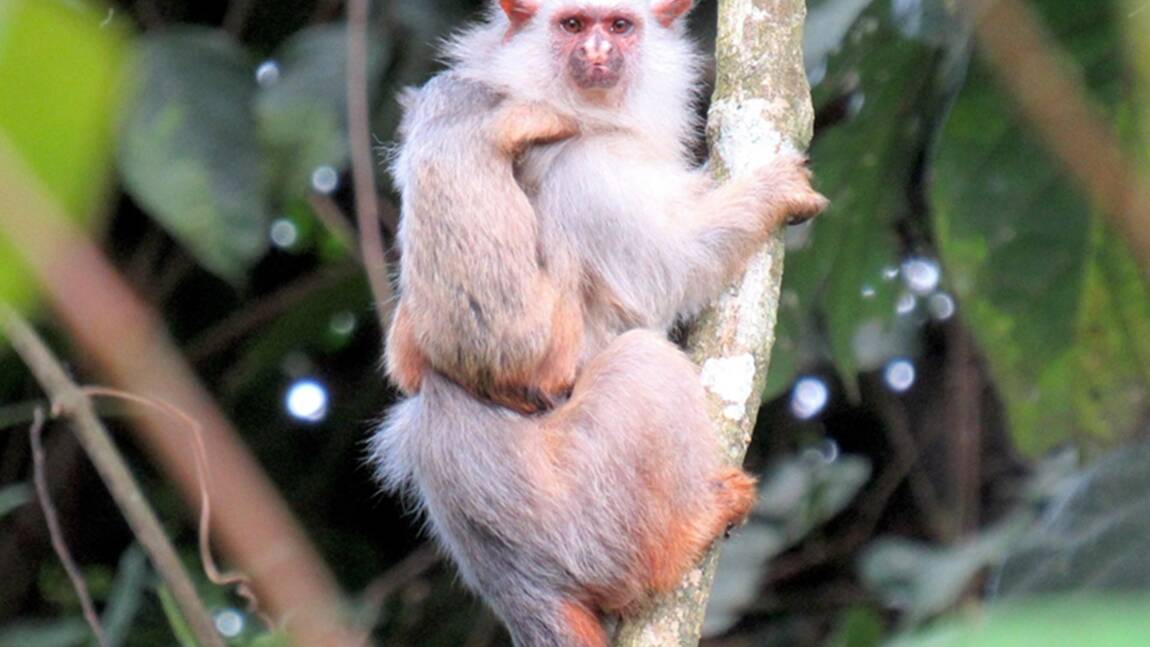
Schneider’s marmoset, an endemic species of Brazil’s Amazon rainforest
Previously confused with another primate species, Schneider’s marmoset was discovered in 2021 by a team of Brazilian scientists. It measures around 8 inches long and stands out thanks to its beautiful orange-toned fur. This marmoset species is endemic to Brazil. It lives in one of the most threatened areas of the Amazon rainforest, making its protection a crucial issue for preserving biodiversity. Schneider’s marmoset joins the 18 species of marmosets already found in the Amazon.
The harpy eagle, Brazil’s largest eagle
The harpy eagle is a forest eagle and the king of the treetops in South America’s tropical forests. In Brazil, they can be observed in the Foz do Iguaçu National Park area as well as in the Amazon rainforest. Also known as the “royal hawk,” this eagle is renowned for being the largest in the world. With a wingspan of 6.5 feet, this incredible animal can weigh up to 20 pounds. A formidable hunter, it has long talons that allow it to attack relatively large mammals such as monkeys or deer. If it feels threatened, its long black crest can help intimidate predators. The harpy eagle is an iconic species in Brazil, but unfortunately it is endangered due to increasing deforestation. It is estimated that only 50,000 of these eagles remain today. It is also an endemic species of Brazil.
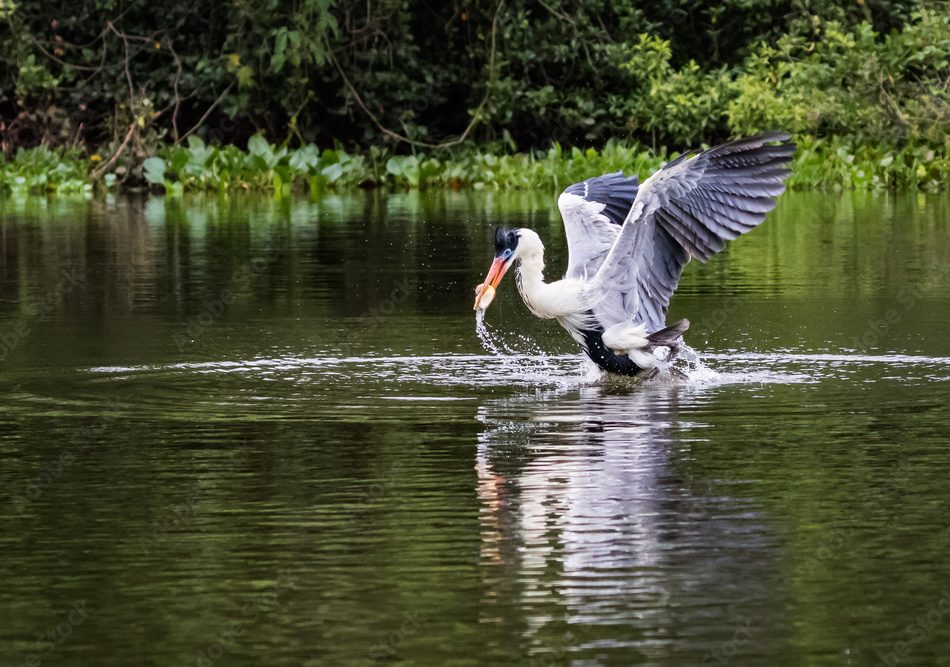
Brazil’s Northern Pantanal, an exceptional wildlife sanctuary
The Northern Pantanal is one of Brazil’s most beautiful ecosystems. With an exceptionally well-preserved wilderness, this region is a natural paradise boasting remarkable wildlife diversity. Located in the heart of Mato Grosso in western Brazil, the Northern Pantanal is a relatively remote area reached via the Transpantaneira, a legendary 90-mile road made mostly of dirt and wooden bridges that serves as the gateway to this extraordinary world of wildlife. The Northern Pantanal Natural Park is an outstanding ecological sanctuary. Designated a UNESCO World Biosphere Reserve in 2000, it is home to numerous endangered species. Two seasons shape this region, which can completely transform in appearance. To observe the wildlife, the best time to visit is between March and May. The rainy season is coming to an end, and animal life emerges once again. Several world-famous species can be found in the Pantanal.
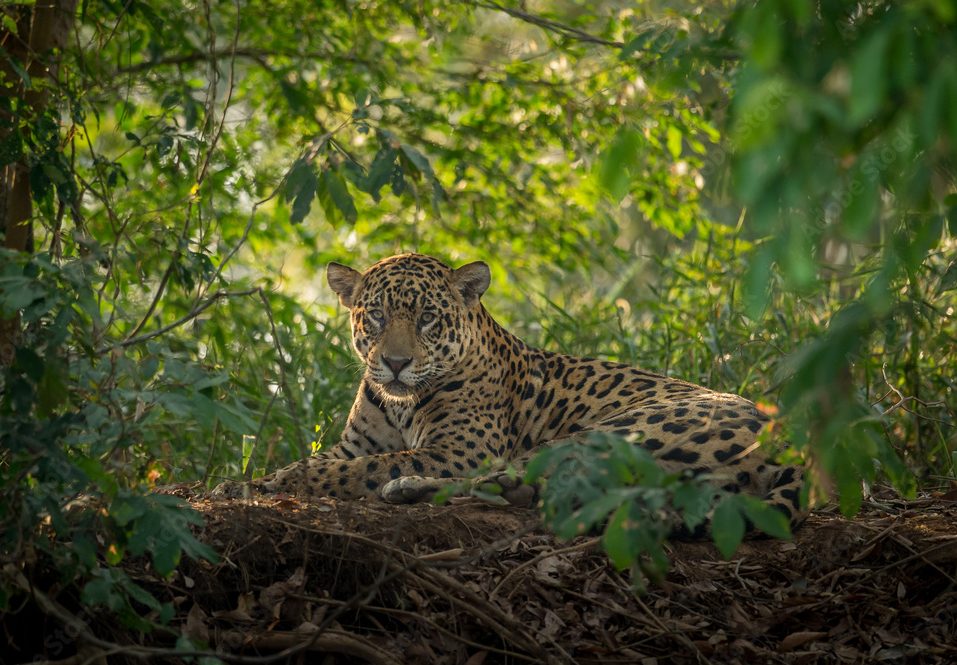
The jaguar, South America’s largest feline
The jaguar is often described as the king of the jungle. Reaching up to 6.5 feet in length as an adult, the jaguar is an extremely intelligent feline. Even today, it remains relatively mysterious to scientists because it is so difficult to capture. The jaguar may not be the largest of the big cats, but it is certainly the most powerful! It dominates the food chain and will even take on the legendary caiman. Its jaws are so powerful that they can crush the skulls of its prey. Its incredible black-spotted coat allows it to blend into its surroundings, making it an even more formidable hunter. The jaguar is so elusive that the full extent of its territory is not even known. Also found in the Amazon, this species is another victim of deforestation. Its hunting territory is shrinking, making its search for food increasingly difficult.
Brazil Selection has designed a unique safari through Mato Grosso, where you will have the opportunity to observe jaguars along with many other exceptional species.
If you do not have the opportunity to travel to Brazil to see them, jaguars are also part of a conservation program at ZooParc de Beauval, located in the Centre-Val de Loire region of France.
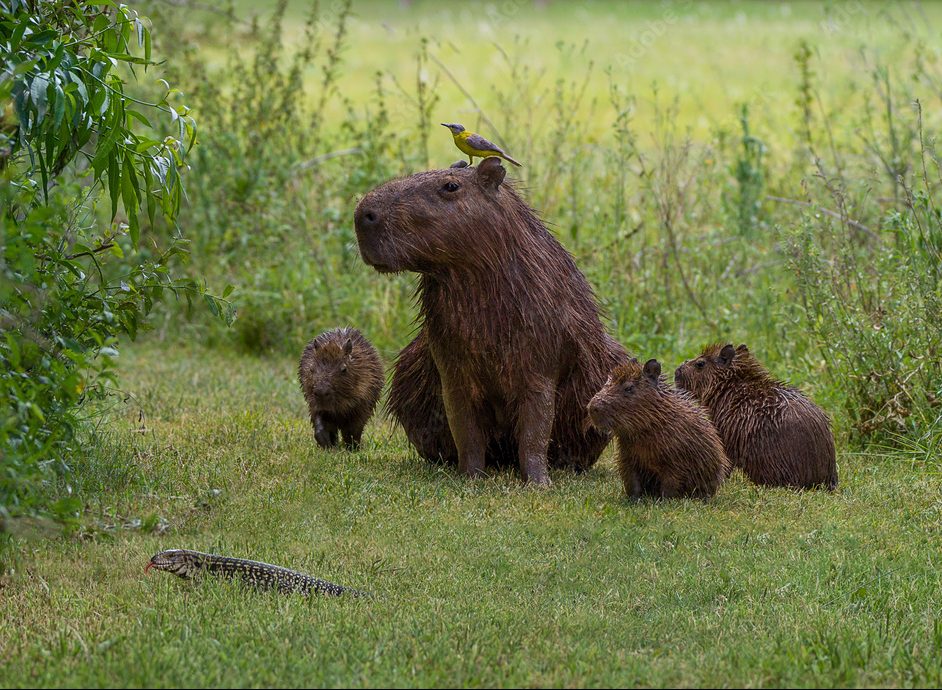
The capybara, the world’s largest rodent
The capybara is a fascinating and particularly impressive mammal! Measuring around 3 feet long and weighing between 65 and 155 pounds, it holds the title of the world’s largest rodent! A herbivore, it is a completely harmless species that lives in groups. Comfortable both on land and in the water, it has webbed feet that allow it to swim and particularly enjoys living along riverbanks. Wetlands and ponds are among its favorite habitats. It is a highly social animal that lives and travels in groups. It is not unusual to see entire families together, with the young often staying close to their parents! Its main predator is the caiman. To protect itself and the rest of the group, the capybara alerts the herd with a call that sounds similar to a dog’s bark.
Brazil is an exceptional destination whose biodiversity plays an essential role in the conservation of animal species from around the world. Severely threatened by ever-increasing deforestation, these regions need to be protected more than ever. Having the opportunity to observe the wildlife of these remarkable environments during a trip is an unforgettable experience that leaves lasting memories.